We pledge to provide straight talk from our NNIC Virginia insurance experts. Read the Northern Neck Insurance Integrity Promise.
How Common Is Home Water Damage?
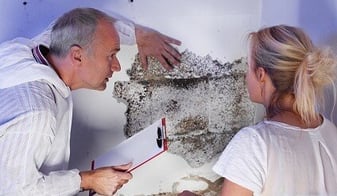
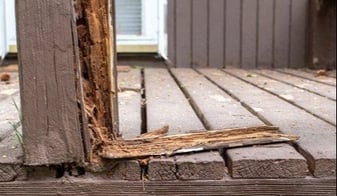
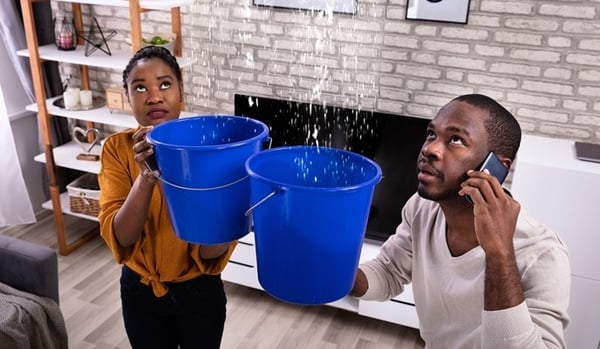
Virtually every surface of your home is susceptible to potential water damage. Water damage is one of the most common and costly reasons homeowners file insurance claims. A burst pipe, leaking roof, or failed dishwasher or washing machine are just a few of the sources that can lead to damaged personal belongings, warped flooring, cracked drywall and ceilings in your home. Hidden water leaks can also accumulate over time, leading to potentially catastrophic damage and unhealthy mold.

Common Causes of Water Damage in Your Home
Water damage can stem from everyday accidents, appliance failures, plumbing problems, or severe weather. Water leak detectors can help you spot leaks early so you can act quickly to limit the damage.
- Human error: Everyday accidents can lead to water damage. A faucet left running can overflow a sink or tub, while a toy flushed down the toilet can cause a clog and an overflowing toilet.
-
Appliance breakdown: Dishwashers, washing machines, refrigerators, and other appliances that use large amounts of water can malfunction due to faulty hoses, clogs, or other mechanical issues.
-
Plumbing issues: Leaking pipes or toilets, faulty water heaters, clogged drains, and other plumbing problems are among the most common causes of water damage in homes.
- Effects of weather: Heavy rainfall, flooding, hurricanes, and other weather-related events can cause significant water damage in a home. Freezing weather can lead to burst water pipes and water damage. When water inside your pipes freezes, it expands, causing cracks in the pipes or joints. A home's roof can have all kinds of water intrusion issues if it is not properly maintained or has damage itself, and gutters play a pivotal role in managing rain from weather systems.
What Is a Home Water Sensor?
A water leak detector or sensor is a device that alerts you to a potential leak so you can act quickly to help limit damage. Basic models sound an alarm when their sensors detect water, while Wi-Fi-enabled, or “smart,” detectors can also send alerts to your smartphone. Depending on the system, you may be able to designate a family member, friend, or caretaker to receive notifications when you’re away. Some whole-home systems include an automatic shutoff feature that stops the water supply when a leak is detected, helping keep a small problem from becoming a costly one. Whether or not your system has this feature, make sure you know how to shut off your home’s main water valve.
Where to Place Your Home Water Leak Detector
Place water leak sensors near appliances, supply lines, and plumbing fixtures where leaks are most likely to occur. Focus on out-of-sight spots where a slow leak could go unnoticed, such as inside cabinets or behind appliances. Follow the manufacturer’s placement instructions, positioning the sensing surface where leaking water is likely to collect—not where routine splashes could trigger false alarms. For smart detectors, check that each location has a reliable Wi-Fi connection, and keep sensors accessible for testing and battery replacement.
Consider placing sensors in the following locations:
- Behind refrigerators, near water and ice maker supply lines.
- Water heaters
- Bathroom toilets and tubs
- Under sinks in the kitchen, bathroom, or utility rooms
- Boilers, furnaces, HVAC condensate lines
- Under dishwashers
- Washing machines
- Sump pumps
- Fish tanks
- Attics
- Below-grade home entrances
Ways to Prevent Home Water Damage
Performing regular maintenance to water lines and plumbing is one of the best ways to help prevent water damage before you have a leak. Visually check for rusty, corroded, worn, or damaged supply lines and valves and other potential problems. Make sure water supply lines are not kinked, crimped, or pinched, especially where they pass beneath or behind other objects. Prevent frozen and burst pipes by keeping them warm and insulated. For more tips on protecting affected pipes in the winter during extreme cold, read what to do if you think you have a frozen pipe.
Is Water Damage Covered by Home Insurance?
Water damage, separate from home flooding, is one of the most common causes of costly home property loss, time-consuming repairs, and insurance claims, occurring more frequently than fire, burglary, or any other home loss reported to insurance. Unfortunately, not all water damage is covered by standard home insurance, especially if it's a chronic or gradual water damage issue due to a lack of maintenance or the water that comes from outside your home, such as flooding. These reasons make it critical to do everything you can to prevent water leaks in your home and add simple solutions like water leak detectors.
Standard home insurance covers sudden and accidental water damage, meaning the incident happens quickly and is not the result of poor maintenance or normal wear and tear. For example, rain that enters your home because a storm damaged the roof or broke a window can be covered. Insurance pays to repair the ruined drywall, flooring, or ceilings, but generally does not pay to fix or replace the broken appliance or pipe itself, unless you have additional coverages such as Service Line or Equipment Breakdown coverage.
If you have home water damage and are wondering if you should file a home insurance claim for water damage, your local insurance agent is the perfect expert to help you navigate that decision. They can review your coverage and deductibles and provide guidance for filing a claim or repairing your home yourself.

Sources:
https://www.iii.org/fact-statistic/facts-statistics-homeowners-and-renters-insurance
THE NORTHERN NECK INSURANCE INTEGRITY PROMISE — We pledge to provide straight talk and good counsel from our NNIC Virginia insurance experts through our blog. While we hope you find this to be a helpful source of information, it does not replace the guidance of a licensed insurance professional, nor does it modify the terms of your Northern Neck Insurance policy in any way. All insurance products are governed by the terms in the applicable insurance policy.