Does Virginia Have Termites?
Termites are a common concern for Virginia homeowners. They often work quietly underground and behind walls, carving narrow mud tunnels in and around your home and feeding as they go. Virginia’s warm, humid climate creates ideal conditions for two of the most destructive species: eastern subterranean termites and Formosan termites.
While they’re most active from spring through fall, these termites can feed on wood and other cellulose materials year‑round when conditions are right. For many Virginia homeowners, encountering termites is less a question of “if” and more a question of “when.” The reassuring news is that with consistent attention and timely action, termite damage can usually be prevented and the structure of your home better protected.
Exterior Signs of Home Termite Damage
Termites can be difficult to detect. While it's best to hire a termite professional for an annual inspection, there are some signs of damage you can look for around your home regularly. Look for any of these signs and then do further investigation.
1. Physical damage to wood
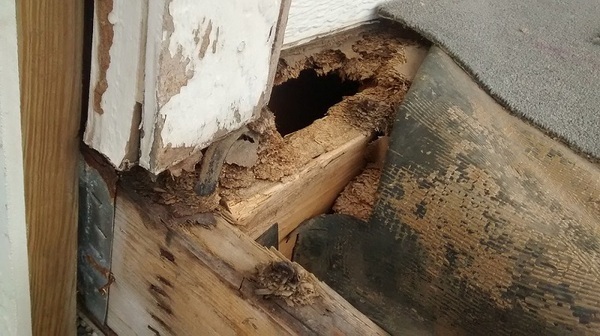
Wood decks are the ideal place to check for termite activity. You might notice outright damage to wood, but less obvious signs are springy deck boards, sunken and rippled surfaces, and hollow-sounding wood. To differentiate termite damage from water damage, look for mud tubes and channels in the wood.
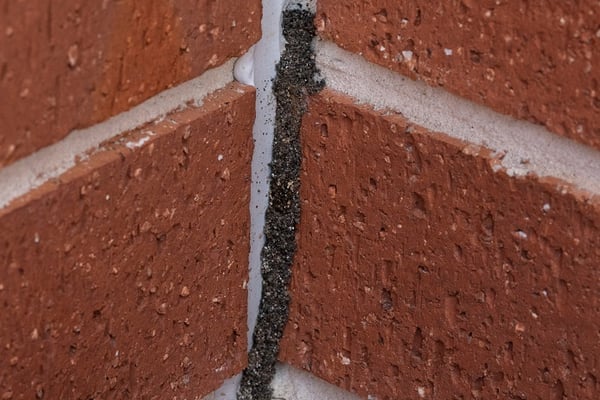
2. Mud tubes
Termites build mud tubes on the interior walls of your home's foundation to travel and avoid light but can be seen on exterior walls and home decks. These travel tunnels might be located under leaves and debris where it is dark and moist.
3. Flying termites
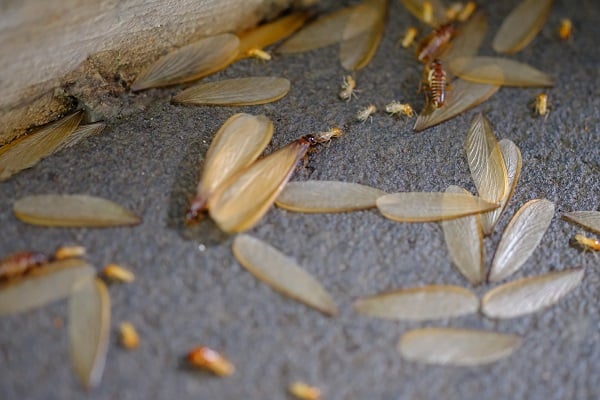
Swarmers, also called alates, are large groups of adult stage winged insects. You might catch them flying in swarms out of the ground or a crack on foundation or concrete during spring and summer. The problem is that this life stage event is short-lived and easily missed outside. You are more likely to see the pile of wings that are discarded shortly after the swarm activity. Unlike other termites stages, swarmers will flock towards light sources.
Termite Food Sources Around Your Home
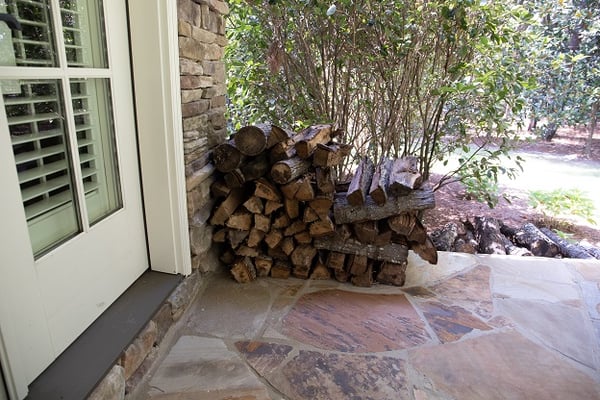
Check areas with dark and wet termite food sources close to your home, such as wood decks, old logs, fallen trees, brush, stumps, construction materials, wooden landscape borders, and rotting wood that sit on the ground. Look for any signs of termite activity mentioned in this article. Avoid attracting termites to your home by keeping these lures at least 20 feet away.
Interior signs of home termite damage
Seeing interior signs of termite activity is a very good indicator that you have a progressed home infestation. If you see any of the following symptoms, call a termite treatment specialist right away.
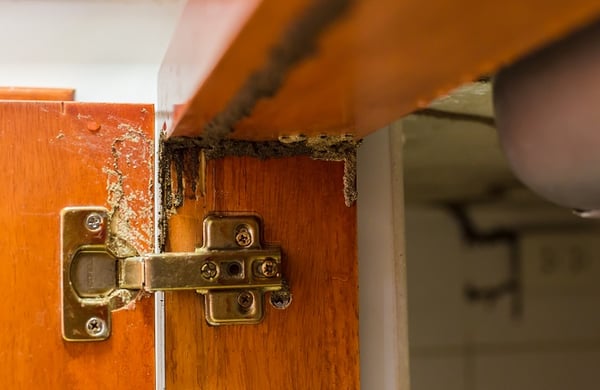
1. Mud tubes
Shelter tubes on surfaces create a pathway from the ground to the wood of a home, a tell-tale sign that termites have entered and infested your home.
2. Hollow wood
Do a knocking test if you notice a wall or floor area that looks different from the rest with cracks on the surface or splitting. It's easy to hear the difference between papery, hollow wood, and solid wood. If you can hear these differences, it may signify that the timber has internal damage.
3. Signs of swarming activity
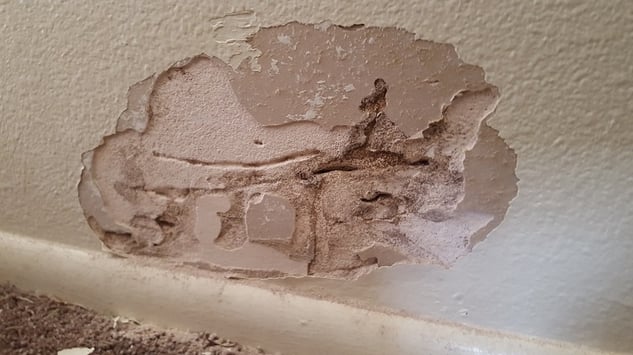
It's far less likely you'll miss those same adult stage termites in flight on the inside of your home, but you may witness it outside in the spring. If you see a sudden swarm flying or crawling or find a bunch of discarded long white wings, you likely have a home infestation. At this time, you may also notice tiny exit holes in wood or drywall.
4. Strange sounds in your walls
If you have excellent hearing, subterranean termites do make noise. Besides munching on wood, the insects warn each other of danger by banging their heads and shaking their bodies. It sounds like clicking to the human ear. You also may hear what sounds like paper rustling as termites move in your walls.
5. Physical damage to wood or drywall
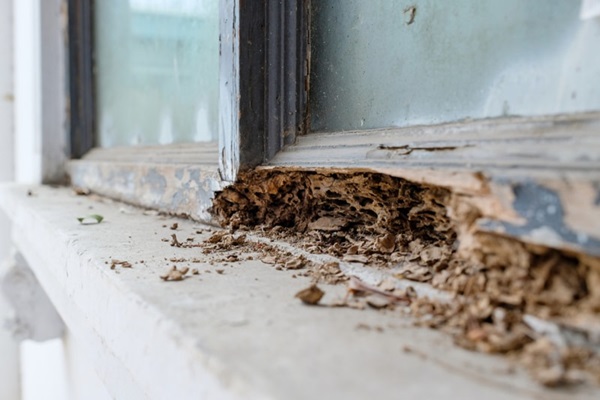
Drywall may be sagging or cracked as a symptom of the termite damage you can't see. You also may notice blistering, buckling wood floors, swollen panels, or soft wood that's easily probed with a knife or screwdriver. Termites will also eat drywall paper and even destroy carpets, furniture, cloth, books, and other cellulose materials.
Soft or rotting wood can also happen from extended water damage, so look for mud tubes with the damaged areas. Water damage may also be darkened, more spongy, and have a musty smell.
6. Dead termites
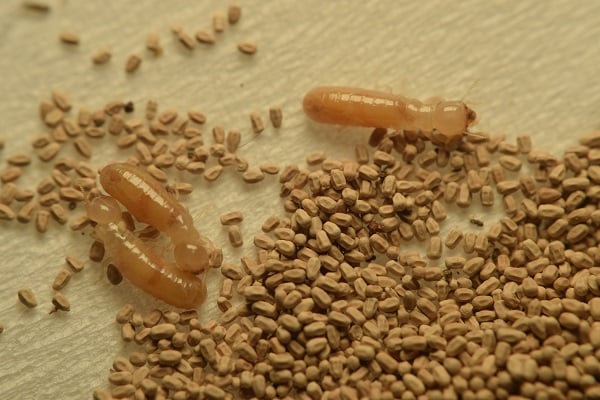
Older termites do die while the next generation is alive and well inside your walls. If you notice a group of dead bugs that resemble white/creamy or transparent-looking ants, you have termites. Ants, even winged ones, are always black.
7. Termite excrement
Also known as frass, these tiny balls of digested wood get pushed out into the open by termites as they clean their travel tubes. You may notice this distinct light brown colored matter on an interior floor.
8. Windows and doors that are hard to open or shut
Chewed wood damage is an obvious sign of termite damage to windows and doors, but difficulty opening or closing them can be an early sign of termite activity as well. The insects create moisture as they feed, causing wood home components to warp and change shape. Hot and humid weather in Virginia can also cause doors and windows to warp and swell.
Does home insurance cover termite damage?
Most home insurance policies do not cover termite damage. Home repairs from insects and other pest damage are considered to be preventable and can be controlled by routine maintenance. That's why it's crucial to catch an infestation early to limit a costly out-of-pocket expense to treat and fix your home. While you can check for signs of potential termite damage both inside and out, a licensed and insured termite specialist will give you the most accurate diagnosis of a termite problem in your Virginia home. A licensed termite service can also provide treatment and a warranty.
How much does a termite inspection cost in Virginia?
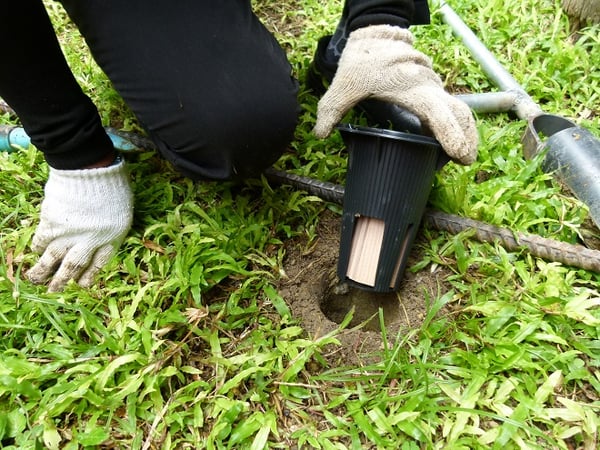
A typical termite inspection in Virginia costs around $100, though prices can range from about $50 to $200 depending on the size of your home and where you live. During an inspection, a licensed termite professional uses specialized tools—such as moisture, heat, and sound sensors—to detect insect activity that may be hidden behind walls, under floors, or in your foundation.
This service can uncover problems long before there are any visible signs of damage. Finding termites early is one of the most effective ways to protect your home’s structure and help you avoid much larger repair and treatment costs down the road.
In Virginia, termite inspections are not automatically required when you purchase a home unless you are using a VA loan. Even so, it is a smart idea to make this inspection part of your homebuying checklist and to address it in your contract negotiations. If the seller will not cover the cost, consider investing in the inspection yourself for added peace of mind. If termites are found, you may be able to renegotiate and have the seller contribute to or cover the cost of treatment.
Learn more about homeowners insurance in Virginia >
THE NORTHERN NECK INSURANCE INTEGRITY PROMISE — We pledge to provide straight talk and good counsel from our NNINS Virginia insurance experts through our blog. While we hope you find this to be a helpful source of information, it does not replace the guidance of a licensed insurance professional, nor does it modify the terms of your Northern Neck Insurance policy in any way. All insurance products are governed by the terms in the applicable insurance policy.