A few chilly nights may have you reaching for the flannel sheets, but Virginia’s weather can still keep you guessing this time of year. One thing you can count on: winter is on its way. Before the cold settles in, give your home’s heating system some attention. A little maintenance now can help keep your home comfortable and your heating costs in check all winter long.
What Can Virginians Expect This Winter?According to NOAA, Virginia's 2026-2027 winter will continue with a mixed bag of weather for the commonwealth thanks to a strong El Niño pattern. Virginians could milder temperatures and wetter-than-average conditions. The good news is drought conditions for Virginia are forecasted to improve or end. Rain, sleet, snow, rain with bouts of unseasonably warm days followed by dives into colder temperatures and all the precipitation in between. Stay informed with your local weather experts for updates and always be prepared for a winter storm.
Prepare Home Heating Systems for Winter
5 Simple Ways to Winterize Home Heating Systems
You wouldn’t leave for your Thanksgiving travel without checking your car engine’s oil or the air pressure in the tires, right? Right! So it’s definitely a good time to get your furnace ready for its winter journey. Here are the 5 simple ways to prepare:
1. Schedule an Inspection with an HVAC Professional.

Your home’s heating system needs regular care from a trained HVAC professional. Depending on your system, an inspection may include checking coils, pressure, airflow, burners, and heat exchangers to help identify problems before cold weather arrives.
A breakdown during freezing weather can leave you without heat and put your plumbing at risk of frozen pipes. When temperatures drop across Virginia, demand for heating repairs can also mean longer waits or added costs for after-hours service. Schedule maintenance before winter to give yourself time to address any needed repairs.
Do you have oil-based heat? Here’s a solid information source for oil-based heat maintenance (opens in a new window).

2. Change or Clean Your Home Air Filters
Don’t wait until you hear that terrible sound of heat ducts popping in and out when the heat turns on and off. It's best to replace air filters monthly. If you’re unsure if you’ve gotten your money’s worth from your existing filters, here’s a better measure. Buy new filters and compare them to the old ones in front of bright light. If you can’t see the light filtering through the old filters, replace them.
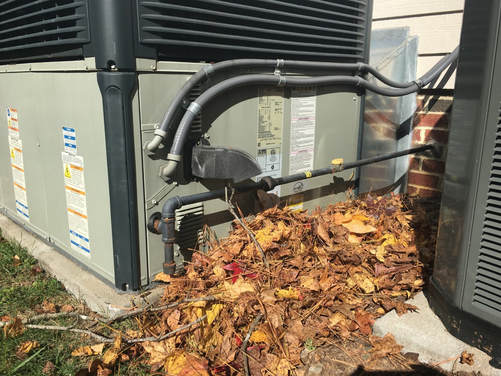
3. Clear Leaves and Debris from Around the Exterior HVAC Unit
Clear away leaves, mulch, and other debris from around your outdoor heat pump, and trim back nearby vegetation. Keeping the area clear allows air to flow freely through the unit and helps your heating system run efficiently. Follow the manufacturer’s recommendations for clearance around and above the unit, or ask your HVAC professional how much space your system needs. Check the area again after windy weather, and keep stored items away from the unit.

4. Clean Your Interior Duct Vents
Your home’s vents help circulate air whenever your heating or cooling system’s fan is running. Return vents draw air back into the system, while supply vents deliver heated or cooled air to your rooms. Both can collect dust and pet hair, especially vents located in the floor. Clean the vent covers regularly, keep them clear of furniture and rugs, and follow your system’s recommendations for cleaning or replacing air filters. Inspect the inner ductwork for cleanliness, insulation, and tight connections. You may also opt to have your ducts professionally cleaned.
5. Reverse Your Ceiling Fans
You may think your fans should go into hibernation over the winter. But you can give your furnace a little help this winter by recirculating the naturally rising warm air trapped at your ceiling. Reversing your ceiling fan forces warm air down and helps distribute it throughout the room making your heat work more efficiently.
How to reverse your ceiling fan
Once your heat is running consistently, find the small black switch on the motor housing of your ceiling fan to change the spin direction to clockwise.

Fireplace, Wood Stove, and Supplemental Heating Safety
There are a few additional home heating sources that need attention before winter. If you rely on a fireplace, wood stove, or other supplemental heat sources in your home, we’ve got important maintenance and safety tips covered. It's essential to take extra care with those alternative heating helpers to protect against the #1 winter threat to your home: fire. That way your home and family stay comfortable and safe all winter long.
Sources:
https://www.noaa.gov/news-release/el-nino-looms-large-over-us-winter-outlook
https://www.deq.virginia.gov/our-programs/land-waste/petroleum-tanks/home-heating-oil
https://oilheatamerica.com/knowledge-base/
THE NORTHERN NECK INSURANCE INTEGRITY PROMISE — We pledge to provide straight talk and good counsel from our NNIC Virginia insurance experts through our blog. While we hope you find this to be a helpful source of information, it does not replace the guidance of a licensed insurance professional, nor does it modify the terms of your Northern Neck Insurance policy in any way. All insurance products are governed by the terms in the applicable insurance policy.