

We pledge to provide straight talk from our NNINS Virginia insurance experts. Read the Northern Neck Insurance INTEGRITY PROMISE.
Virginia’s weather can be both unpredictable and intense. In a short span of time, you might experience thunder, hail, and damaging windstorms, followed by a mild afternoon in the 80s. This shifting pattern has made unusual weather feel like the new normal. Heavy rain brings its own set of challenges for homeowners, extending far beyond obvious flooding concerns. While bi-annual proactive gutter maintenance is one of the best ways to protect your home from intrusive water damage, spring is a particularly critical season to ensure your gutter system is prepared to handle higher-than-normal rainfall.
 Justin, our home protection expert, says that gutters are the #1 most neglected and problematic issue in home claims next to home roof problems. Costly ones, too. We have seen individual claims reach $10,000–$12,000. That is why it is essential to understand how homeowners insurance treats water damage that results from deferred or neglected maintenance. In this article, we will explain what is and is not typically covered under a homeowners policy and share practical tips to help you keep your gutters in excellent condition for Virginia’s spring weather.
Does Home Insurance Cover Flood Damage or Water Damage From Gutters?
Home insurance does not cover flood damage but can cover water damage if it's the immediate result of a severe weather event. For example, home insurance can cover a repair from a storm if a tree falls on your house and rain subsequently causes immediate water damage. Regular maintenance of home gutters is a homeowner's responsibility. Home insurance does not cover water damage that results from routine maintenance neglect, even if it's identified after damage from severe weather.
While spring can bring significant rain, June is typically the rainiest month of the year in Virginia. Shoring up your gutters is the best thing you can do to prevent costly damage to your home. If you need to file a severe weather insurance claim and have questions, we're close by and ready to help.
How to prepare your home gutters for Virginia weather
To see if your gutters are ready to take on each season’s onslaught and avoid costly damage, answer these three simple questions.
1. Do your gutters have all the right parts?
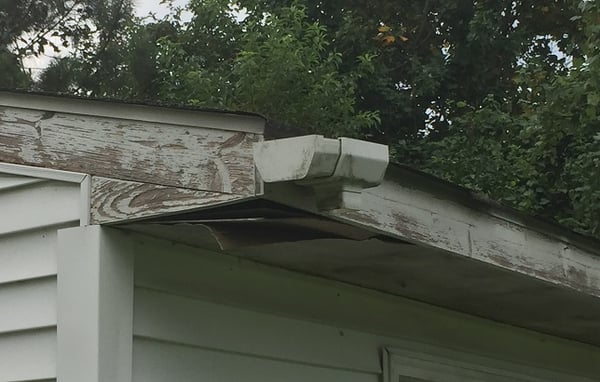
Rain gutters should run the full length of your roofline and end at a downspout that safely directs water away from your home. Ideally, gutters are installed along the main roof on the top story so they can capture rainwater at the highest point and guide it toward the downspouts. From front to back, gutters should be level, but they need a slight forward slope—about a quarter inch for every 10 feet (one to two inches for every 40 feet)—to keep water moving.
When gutters are not pitched correctly, water can pool, encouraging vegetation, moss, or lichen to grow. Standing water also adds weight, which may cause gutters to sag over time and become even less effective. If a gutter is clogged and begins to overflow, it can damage your roof and contribute to soil erosion around your home’s foundation.
If you notice holes, leaks, sagging sections, or missing components, a qualified professional can repair the system and confirm that your gutters are properly aligned for maximum protection.
2. Are your gutters free of leaves, vegetation, and other debris?
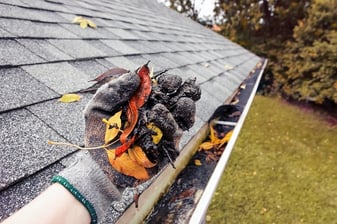
Winter’s cold wind blows fall leaves and debris, and spring brings spiraling seed pods. Gutter cloggers prevent your gutters from doing the mighty work of running all that Virginia rain away from your home's foundation. Fall and spring are good times to make sure your gutters are clean. Hire someone for the job or do it yourself when someone is home to spot you on the ladder. Homeowners can add all kinds of handy gutter guards to prevent debris from collecting in their gutters. Check them out!
This last question is critical, so if your answer is "no," get it remedied ASAP!
3. Do you have gutter extensions at the end of ALL downspouts? (They need to be clog-free as well!)
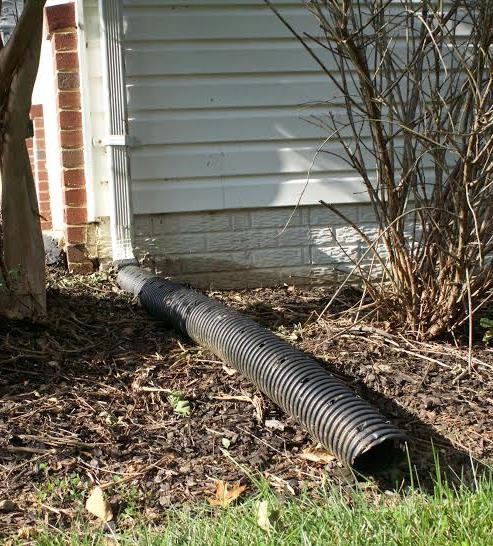
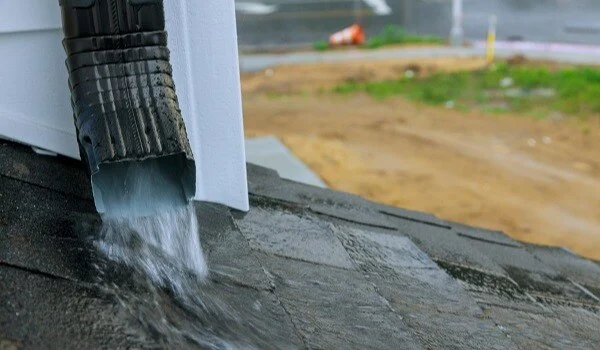
Downspout water pooling close to the foundation invites a wet basement and, ultimately, costly water damage and toxic mold inside your home. If your downspouts extend underground, it's a good idea to determine where that water is going, especially if you're not the home's first owner. How far should those extensions go? It all depends on the yard slope. You want to be sure you’re directing the water as far as it takes to continue flowing away from your house.
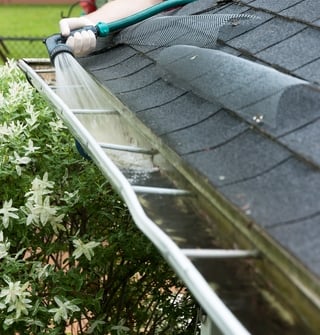
A good way to check if the downspout is clogged is to remove it from the gutter drain and run water from your garden hose through it. If the water backs up, you have a clog.
Do you have homeowners insurance questions?
If you need to file a severe weather insurance claim and have questions, we're close by and ready to help. At Northern Neck, we offer unique coverage for various areas across Virginia. Find out what coverage plan is best for you!
THE NORTHERN NECK INSURANCE INTEGRITY PROMISE — We pledge to provide straight talk and good counsel from our NNINS Virginia insurance experts through our blog. While we hope you find this to be a helpful source of information, it does not replace the guidance of a licensed insurance professional, nor does it modify the terms of your Northern Neck Insurance policy in any way. All insurance products are governed by the terms in the applicable insurance policy.