Protecting Your Investment: Why Water Damage Prevention is Key for Virginia Homeowners
If there is one thing you do not want to see as a homeowner, it is water damage. Many homeowners aren’t aware their home has water damage until the problem has escalated, with things like mold remediation, structural damage, and complex repairs turning it into a costly claim. At NNIC, we believe in a proactive approach to preventing water damage since it is generally not covered unless it is cause by a sudden covered event. Standard home insurance also does not cover flooding. With Virginia weather, such as hurricane season, water damage prevention is key, and we have a few tips to help safeguard your home to prevent expensive repairs down the road.
Preventing Water Damage from Inside Your Home
Maintaining your home involves routine inspections of anywhere with water flow to make sure water damage is not occurring. Water damage can be hard to detect, so proactively checking these areas can help you catch any potential issues before they become a much bigger problem, such as mold growth. We highly recommended smart water detectors for monitoring leaks and preventing extensive water damage in your home.
How Plumbing Maintenance Protects your Home from Water Damage
Making sure your plumbing system is in proper working order is one of the most important things you can do to prevent water damage in your home. From small leaks to system breakdowns, plumbing is often the culprit behind water damage. You should check for leaks regularly in every area of your house with plumbing, including sinks, toilets, and anywhere else water may be flowing. Remember to check large appliances like your water heater, washing machine, dishwasher, and refrigerator.
How to Prevent Frozen Pipes in the Winter
A frozen pipe can burst, causing disastrous flooding in your home. You’ll want to make sure the pipes are ready for the Virginia winter. Taking proactive steps like insulating any exposed pipes in unheated areas, such as your crawl space or in your attic is key in preventing frozen pipes. It can be tough to check if a pipe has frozen, but checking and resolving potential issues is imperative. It’s also important to remember to disconnect outdoor hoses, drain the faucet before the winter freeze, and have your roof inspected to prevent ice dams in the event of a winter storm.
How Your Sump Pump Works to Prevent Water Damage
If you have a basement in Virginia, your sump pump is your first line of defense against flooding. Sump pumps work by collecting any water that may be seeping into your space and pumping it out, away from your foundation. You can test your sump pump by pouring water into it and checking to make sure the pump effectively removes the water and then shuts off.
Prevent Water Damage from your Home’s Exterior
One of the best ways to prevent water damage in your home is to make sure your exterior home features are set up to keep water out in the first place. There are a few key areas to keep top-of-mind when inspecting your home for potential sources of water damage.
Maintain Your Gutters and Downspouts
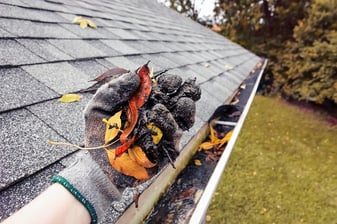
Gutters are another one of your top lines of defense against water damage in your home. Keeping your gutters clean and free from debris is crucial in preventing buildup and damage from water. You also want to ensure that downspouts are positioned around 5-10 feet away from your foundation.
Inspect Your Roof for Leaks and Damage
Your roof keeps your home safe from a variety of elements, including water. You’ll want to make sure your roof is routinely inspected. Things like missing, cracked, or curled shingles can lead to leaks and water damage, especially during storm season in Virginia. Be sure to check the flashing around chimneys, vents, and skylights to ensure everything is in working condition.
Seal Any Cracks In Foundation And Walls
Foundation cracks happen, and even small ones allow water to get in which can be detrimental to your home structure. You’ll want to make sure that you are regularly checking your foundation and exterior walls for cracks and ensuring that they are promptly sealed with caulk or sealant before water damage occurs.
Does Home Insurance Cover Water Damage?
Homeowners insurance can help with certain types of water damage, but the cause of the loss matters. Repairing the source of a leak and repairing the damage it causes are two different expenses. Insurance generally does not pay to repair or replace a pipe or plumbing fixture that fails because of wear and tear or a lack of maintenance. Damage from ongoing leaks, seepage, or condensation and mold may also be excluded, depending on your policy’s wording and the circumstances. Standard policies also do not cover backups from external sewers or overflowing sump pumps unless you purchase a specific water-backup endorsement.
Your policy can cover resulting damage to your home and belongings when water escapes suddenly and accidentally, such as when a pipe bursts. For example, damage to flooring or furniture may be evaluated separately from the cost of replacing the failed pipe. Any payment depends on the cause of the damage, applicable exclusions, coverage limits, and your deductible—not simply on the presence of water.
Frozen pipes may involve additional policy conditions. Coverage can depend on whether you took reasonable steps to maintain heat or shut off and drain the water system, as required by your policy. Review those requirements before leaving your home during cold weather.
Before a problem occurs, ask your local independent agent to explain how your policy treats sudden leaks, gradual water damage, and frozen pipes. Understanding these distinctions can help you plan for maintenance costs and recognize when damage may warrant a claim. Your policy and the facts of the loss determine whether coverage applies.

What to Do If Water Damage Occurs in Your Home
From small leaks to basement floods, if you notice water damage in your home, it’s important to act quickly. Shut off the main water supply if there is an active leak and depending on the extent of the damage, get in touch with professionals who can help such as plumbers or water restoration services. For Virginia homeowners, Northern Neck Insurance provides comprehensive homeowners insurance coverage and our team is dedicated to helping you protect your home. Looking for coverage? Get in touch with one of our agents today to get started.
THE NORTHERN NECK INSURANCE INTEGRITY PROMISE — We pledge to provide straight talk and good counsel from our NNIC Virginia insurance experts through our blog. While we hope you find this to be a helpful source of information, it does not replace the guidance of a licensed insurance professional, nor does it modify the terms of your Northern Neck Insurance policy in any way. All insurance products are governed by the terms in the applicable insurance policy.