

We pledge to provide straight talk from our NNIC Virginia insurance experts. Read the Northern Neck Insurance INTEGRITY PROMISE.
Who Is Responsible for Maintaining a Home’s Sewer Line?
Homeowners are generally responsible for utility lines to a septic tank or sewer lines that run from the home's foundation to the main sewer line in the street, which is the larger pipe that collects wastewater from multiple properties. This includes any necessary repairs or maintenance due to clogs, tree root intrusion, or pipe damage. In city sewer service situations, the city or utility company is typically responsible for maintaining and repairing the main line after the connection from the home.
How Do Sewer Backups Affect Homeowners?
Sewer backups are a serious concern for homeowners and it is always advisable to consult with a plumber or the local sewer department for clarification on specific responsibilities and for any necessary repairs or maintenance. They can cause property damage and structural issues and disrupt your daily life. Not only do sewer backups cause foul odors, but they are also can create a health hazard for you and your family and costly remediation and repair.
Standard homeowners insurance typically does not cover home sewer line damage or water backup, but insurance carriers often offerindividual coverages to provide protection against costly repairs and replacement of damaged sewer lines. Northern Neck Insurance's Superior Homeowners Endorsement includes coverage for loss caused by water which backs up through sewers or drains. We also have a separate endorsement for service line coverage that can be added to a home insurance policy.

What Causes Home Sewer Backups?
Sewer backups in your home can be a nightmare, leading to costly repairs, health hazards, and significant inconvenience. Understanding the root causes of these backups is crucial for prevention and mitigation. Various factors can contribute to a sewer backup, from sewer line blockage to tree root infiltration and heavy rainfall. Awareness of the specific factors that cause sewer backups is crucial for preemptive action. Here are a few common culprits behind home sewer backups:
- Blockages in the sewer line: One of the most common causes of sewer backups is blockages within the sewer line. Flushing non-biodegradable items like diapers, wipes, or feminine hygiene products can clog the line.
- Grease buildup: Pouring cooking oils and greases down the drain may seem harmless, but oils solidify in the pipes over time and cause blockages.
- Tree roots: Tree roots seeking moisture and nutrients can penetrate sewer pipes through cracks or joints. As they grow, they can cause significant blockages or even damage the pipes.
- Heavy rainfall and flooding: During heavy rainfall or flooding, the sewer system may become overwhelmed with water and may even leak into your basement.
- Structural damage: Any structural damage to the sewer system, like shifting soil or settling foundation, can cause misalignment or damage to pipes, leading to backups.
- Normal wear and tear: Over time, debris accumulates until a single piece clogs the line.
Preventative Measures You Can Take to Avoid a Sewer Backup
You can’t prevent every sewer backup, but everyday habits and routine maintenance can help reduce the risk. Paying attention to what goes down your drains, planning landscaping around sewer lines, and preparing for heavy rain are practical places to start. A licensed plumber can assess your home’s plumbing and recommend preventive measures suited to your property. Here are a few steps you and your household can take to help prevent blockages and prepare for a possible backup:
- Plan your landscaping. Locate your sewer line before planting trees or shrubs nearby. Ask a licensed plumber or qualified arborist about suitable planting distances and options for managing existing roots without damaging trees or pipes.
- Keep grease out of drains. Let cooking oil and grease cool, then collect them in a suitable container for disposal according to local guidelines. Keep the container away from stove burners and other heat sources.
- Use the bathroom trash can. Flush only toilet paper and human waste. Put wipes, hygiene products, and other waste in the trash—even when the packaging says “flushable.”
- Use drain screens. Place screens over sink, shower, and tub drains to catch hair and debris. Empty and clean them regularly to keep water flowing.
- Ask about a backwater valve. Have a licensed plumber determine whether a backwater valve is appropriate for your home. Proper installation and ongoing maintenance are important for helping prevent sewage from flowing back through your plumbing.
- Limit unnecessary water use during heavy rain. When practical, postpone laundry and dishwasher cycles to reduce the amount of wastewater entering an already stressed sewer system. Follow any guidance from your local sewer utility.
- Get everyone involved. Make sure household members know what belongs in the trash rather than down a drain. Consistent disposal habits can help reduce preventable clogs.
- Prepare a response plan. Keep contact information for a licensed plumber, your sewer utility, and a qualified sewage cleanup company handy. Make sure everyone knows to avoid contaminated water and keep children and pets away if a backup occurs.
What Are The Signs of a Sewer Backup?
Identifying the signs of a sewer backup allows homeowners to take measures to address the issue before it becomes serious. Common signs of a home sewer backup can be:
-
Multiple slowed drains throughout the home in sinks, showers, and tubs
-
Bubbling or gurgling sounds from sinks and toilets can indicate trapped air from a blocked main line
-
Foul smells from drains, toilets, and basements
-
Lush dark green grass patches can indicate a leak within an underground pipe
-
Puddles or sewage backups in your yard or driveway
- Water or minor sewage appearing first in lowest-level fixtures like basement floor drains or first-floor showers
Recognizing these signs immediately allows homeowners to address the underlying cause of the sewer backup and prevent further damage to their property. If you notice any of these signs, investigate for more signs and contact a licensed plumber or sewage professional for inspection.
What Happens When Sewage Backs Up into Your Basement?
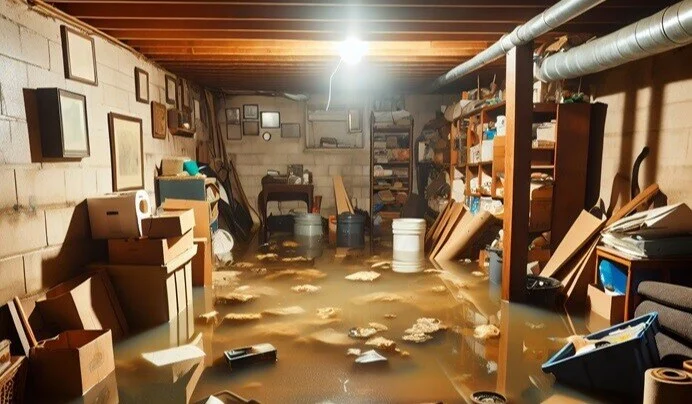
A basement flood is serious and urgent and requires immediate attention. Homeowners will need to call a licensed specialist to clean up and assess the damage caused by the backup. A sewage backup in the basement can cause extensive property damage. Contaminated water can seep into carpets, drywall, and furniture and damage any items left in the basement. Understanding the steps to prevent basement flooding can save money and protect your family's health.
Cleaning Up After a Sewer Backup
Cleaning up after a sewer backup involves more than removing visible water. Sewage can contain harmful contaminants, and affected materials need careful assessment, cleaning, and drying before the space is safe to use again. Keep children and pets away from the affected area, and contact a qualified sewage cleanup professional for guidance before starting work. Do not enter standing water or attempt to reach electrical switches or equipment in a wet area; have a qualified professional address electrical hazards first. The steps below are general considerations, not a substitute for professional assessment or local public health guidance.
1. Have hazards assessed first. Stay out of sewage-contaminated water. If electrical outlets, wiring, or appliances may be affected, have a qualified electrician or your utility provider determine how to disconnect power safely. Do not enter a wet area to reach the electrical panel.
2. Arrange professional cleanup. Contact a qualified sewage cleanup professional to assess contamination and determine the protective equipment and cleanup methods needed. Gloves, boots, and a basic mask alone do not make the area safe to enter.
3. Remove contamination safely. Have the cleanup team remove wastewater, assess which belongings and building materials can be salvaged, and dispose of contaminated materials according to local requirements. Surfaces should be cleaned before they are disinfected; never mix cleaning products.
4. Dry the area thoroughly. Once contamination has been removed and electrical safety confirmed, follow professional guidance on ventilation, fans, and dehumidifiers. Avoid running fans over untreated sewage because they can spread contaminants.
5. Address the cause. Have a licensed plumber inspect the system for blockages or damage and recommend repairs. Before using the affected space again, ask the cleanup professional to confirm that cleaning and drying are complete.
Cleaning up after a sewer backup can be challenging, and cleaning as thoroughly as possible is important. If the mess is too large to handle alone, hire a local professional.
Protect Your Home Against a Sewer Backup
If you have a Northern Neck Insurance homeowners or renters policy, adding Service Line Coverage can provide coverage for your home and belongings. A little prevention helps safeguard your family's well-being and the integrity of your home. Don't wait for a sewage backup to happen—take steps today to secure the protection you need for a worry-free tomorrow.
THE NORTHERN NECK INSURANCE INTEGRITY PROMISE — We pledge to provide straight talk and good counsel from our NNIC Virginia insurance experts through our blog. While we hope you find this helpful source of information, it does not replace the guidance of a licensed insurance professional, nor does it modify the terms of your Northern Neck Insurance policy in any way. All insurance products are governed by the terms in the applicable insurance policy.