

The travel season is here. Whether you are heading to Virginia’s beaches, camping along the Blue Ridge, or traveling out of state, your home can still be vulnerable while you are away. Property risks can include costly damage from equipment malfunctions, fire, burglary, vandalism, and severe weather. The last thing you want is to spend your vacation worrying about what might be happening at home.
We’ve seen enough home insurance claims from unexpected catastrophes to know what makes your home the most vulnerable, especially when you're not there to intervene.By staying on top of your regular summer home maintenance and planning to protect your property ahead of your trip, you can keep small issues from turning into more serious and costly damage in your absence.
How to Protect Your Home While on Vacation
You can protect your property while you’re on vacation by consider these four simple tips:
1. Shut Off Your Home's Main Water Supply
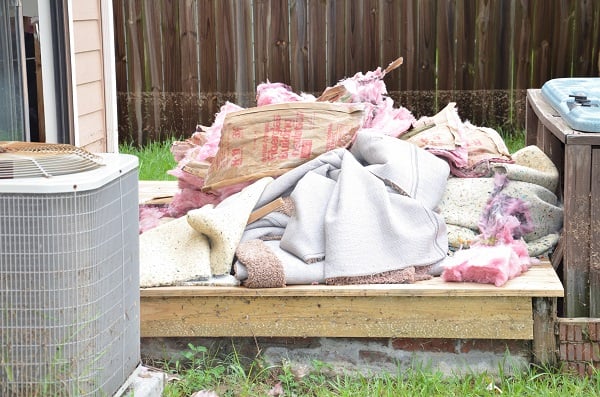
It's important to do regular home maintenance to prevent water damage. Even then, unexpected water damage can occur. Our home claims team once handled a home insurance claim after neighborhood children left a member’s outdoor hose running in the yard for two weeks. You can imagine how quickly that water bill – and the resulting damage – added up.
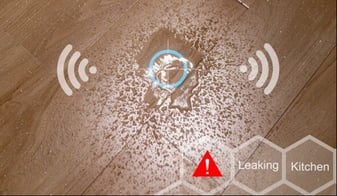
Hidden water leaks use can become very costly very quickly. Washing machines and dishwashers, in particular, are frequent sources of significant water damage when no one is home to notice a problem and turn off the water. According to recommendations from the Insurance Institute for Business & Home Safety (IBHS) (opens in a new window), supply hose failures on washing machines in unoccupied homes lead to water damage claims that are, on average, two and a half times more severe than losses that occur when someone is home to respond. For that reason, our Virginia home insurance experts strongly recommend that you never leave water-using appliances running when you are away from home, especially for a longer duration than normal. Discovering a leak after a week-long vacation instead of after a regular workday can mean significantly more damage, higher repair costs, and more disruption for your family.
Before you travel, take a moment to learn how to shut off your home’s main water supply. It is also wise to consider installing smart water leak detectors that can alert you if water is where it should not be, providing an additional layer of protection for your Virginia home while you are away.
2. Prevent Electrical Issues and Fire
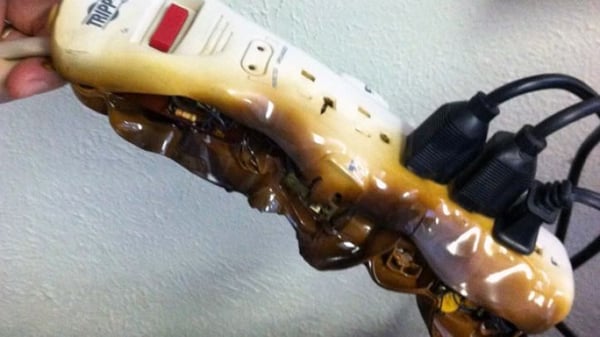
Electrical issues are a leading cause of home safety incidents, particularly when your home is unoccupied and early warning signs go unnoticed. They cause billions of dollars in property damage each year due to power surges and malfunctions. The good news is there are easy everyday things you can do to protect home from electrical issues and fire and a few extra precautions you can take before you travel.
Here are pre-vacation steps to take to prevent electrical issues and fire:
- To help protect your home while you are away, unplug large appliances that will not be in use, such as your clothes dryer and high-value electronics, as well as small appliances like your coffee maker. This helps reduce the risk of electrical malfunctions and protects these items from power surges during severe weather. Unplugging devices also eliminates “phantom” energy use, which can modestly lower your electricity bill.
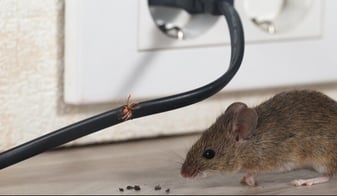
- Any major appliances that must remain plugged in should be in good working order, with no unusual noises, burning smells, or excessive heat. Inspect cords and plugs for fraying, cracking, or other damage, and repair or replace them before you leave to reduce the chance of electrical issues in your absence.
- If your water heater includes a “vacation” or “away” setting, consider using it. This setting keeps the water at a lower temperature, saving energy while still preventing the water from stagnating.
- Give your electrical panel a quick inspection. Look for signs of wear, damage, loose wires, and that there are no tripped breakers or blown fuses in your electrical panel. If you notice anything unusual, consider scheduling a professional inspection before your vacation.
- Leave your HVAC system on using programmable or smart thermostats. Unless you have pets staying at home while you're away, set the thermostat to 55 F during the winter to prevent the pipes from freezing. Setting it to 85 F during the summer will prevent excessive heat from building up the home while saving significant energy.
- Verify that all smoke detectors in your home are fully operational. Install fresh batteries where needed, and test each device to ensure reliability. Do not leave lithium batteries charging while you're away and properly dispose of any damaged or old lithium batteries in your home or garage.
3. Spare Keys and Smart Locks
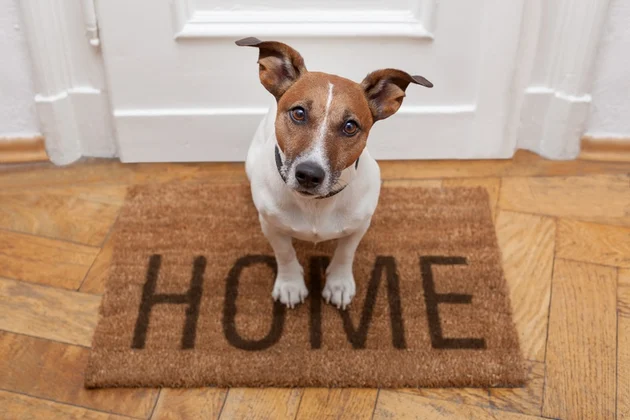
The front door mat or flowerpot is often the first place a thief will check for a spare house key when you are away. A burglar who knows you are on vacation has extra time to search for even better-hidden keys around your porch, garage, or yard. Instead of hiding a key outside, consider leaving a spare with a trusted neighbor or friend who can help in case of an emergency or occasional access needs while you are traveling.
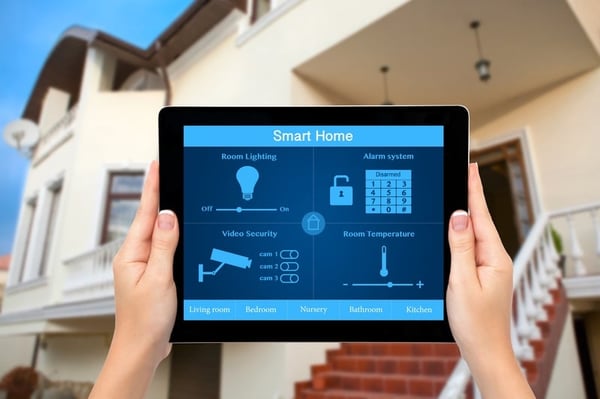
Smart locks are an increasingly common part of home security systems. While we like the innovation of smart home technology, check into the software/application thoroughly before purchasing. The technology has developed much faster than security protection against hacking. Make sure you're on a secure network or using cellular data rather than public wifi when using the app, change your passwords regularly, and use two-factor authentication whenever possible. And remember we provide a home insurance discount (opens in a new window) for security devices like deadbolt locks and whole-house security systems. Let your local agent (opens in a new window) know!
4. Watch What and When You Share on Social Media
As tempting as it is to “check-in” to vacation venues on social media, remember that you may also be broadcasting to friends and friends of friends that you’ve checked out of your home. Share vacation details and pictures after you get home from your vacation and encourage your kids to do the same. It may not be as fun, but it's much smarter for your home's security.

5. Count on Your Neighbors You Can Trust
Strong Virginia communities are built on neighbors helping each other. This is especially true when you can enlist a set of protective eyes and ears to watch your home while you're away. Enlist the help of your Neighborhood Watch committee by letting know you will be out-of-town. They know what belongs and doesn't belong in the neighborhood- the strange parked car or someone walking behind the house. They can bring in any packages that get delivered to your home, safely store that spare key, and access your home if there’s an emergency while you’re away. Don’t forget to leave them with two or more good contact numbers to reach you on vacation.
Preparing your home for vacation in other small ways will give you peace of mind so you can enjoy your time away.
Pre-vacation Checklist for Your Home
Here is a helpful home preparation checklist to begin well before your vacation:
-
Schedule service for your HVAC system before you travel
-
Use motion-activated sensors on outdoor floodlights
-
Consider installing timers to turn indoor lights on and off at set times
-
Place a hold on your mail or ask a trusted neighbor to collect it daily
-
Block first-floor windows and lock any basement window well covers
-
Lock pet doors
- If someone is coming in to care for your pets, make sure your pets have ID tags
-
Secure and safely store your valuables
-
Arrange lawn care so your yard looks maintained
-
Park vehicles left behind in the garage or in the driveway
-
Secure and lock any fence gates
-
Secure exterior items in case of severe weather
-
Notify your security company of your travel plans
-
Consider using a house sitter to check on your home regularly
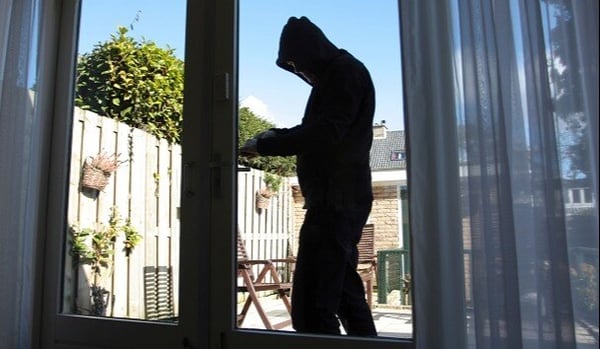
Does Home Insurance Cover Theft?
Both homeowners insurance and renters insurance can cover theft in your home. The amount of insurance coverage you have will depend on your policy limits and the type of coverage.
Here's how your home insurance protects you from a theft claim:
- Damage to your Home—Coverage for repairs to your house if damaged in a break-in, like broken windows and doors.
- Damage to your personal property—Coverage to repair or replace your personal belongings if they are damaged or stolen.
- Other structures coverage—Coverage to repair detached structures on your property, like a shed door damaged in a break-in.
We also highly recommend making a home inventory (opens in a new window) of your belongings to help facilitate a speedier claims process if you happen to have a home insurance claim this summer.

THE NORTHERN NECK INSURANCE INTEGRITY PROMISE — We pledge to provide straight talk and good counsel from our NNINS Virginia insurance experts through our blog. While we hope you find this to be a helpful source of information, it does not replace the guidance of a licensed insurance professional, nor does it modify the terms of your Northern Neck Insurance policy in any way. All insurance products are governed by the terms in the applicable insurance policy.