

We pledge to provide straight talk from our NNINS Virginia insurance experts. Read the Northern Neck Insurance Integrity Promise.
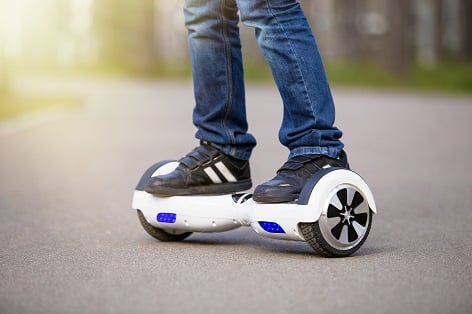
Lithium-ion batteries are becoming ubiquitous in our everyday lives, powering laptops, smartphones, cameras, vacuum cleaners, electronic cigarettes, and other household gadgets, including lawn equipment and power tools. Dangerous explosive fires from these convenient batteries are simultaneously on the rise. Purchases of larger devices like electric scooters, e-bikes, and hoverboards have jumped significantly in the last 5 years. These high-tech micromobility devices have lithium-ion batteries 50 times larger than that of a smartphone and can pose a significant fire danger due to a lack of compliance with the standards through certification from an accredited testing laboratory.
Unfortunately, home fire damage and injuries will increase until there are improved regulations around the consistent quality of lithium-ion battery-powered devices and the batteries themselves. The good news is homeowners can and should take measures to protect their families and home.
How do Lithium Batteries Catch Fire?
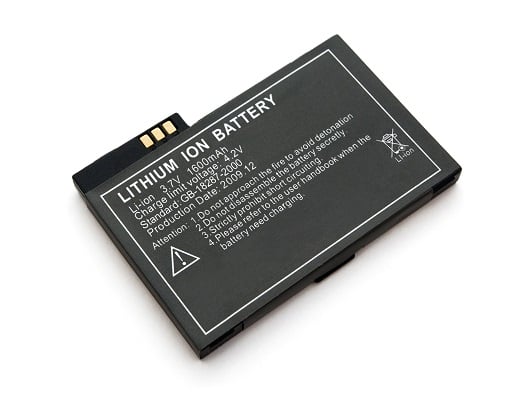
Lithium batteries are designed to deliver strong performance with minimal weight and are generally safe when they are well made and properly handled. However, their internal construction includes thin separators between cells and a lightweight outer casing, which can make them vulnerable if damaged. If a lithium-ion battery is punctured or develops an electrical fault, such as a short circuit, it can enter thermal runaway, a chemical reaction that causes the battery to heat faster than it can cool. Moisture, extreme heat, physical damage, overcharging, and improper storage can all trigger this process, which may result in an explosive and fast-moving home fire.
Lithium-ion batteries can fail for reasons beyond punctures or electrical faults. Quality can vary significantly, and rising demand has increased the number of third-party devices, replacement batteries, and chargers on the market that may not meet rigorous testing standards, especially when purchased online. Storage and charging conditions also matter. Exposure to heat or moisture can accelerate battery degradation and raise the risk of fire or explosion.
Although lithium-ion batteries can be recharged many times, they do not perform well when they are routinely overcharged or allowed to drain completely before charging again. Car chargers, in particular, can increase the risk of overcharging.
How to Prevent Lithium Battery Fires at Home
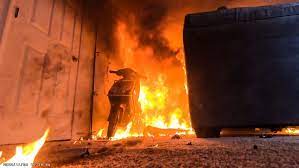
Fires involving larger lithium-ion batteries are not slow-burning events. They can be explosive and extremely difficult to extinguish. Since many of these fires can be prevented, use this checklist to help reduce the risk of a lithium-ion battery fire in your home:
- Buy devices and replacement batteries from reputable retailers, and avoid third-party sellers on online marketplaces.
- Safely dispose of any lithium or lithium-ion battery as soon as it shows erratic behavior.
- Choose UL-certified new or pre-owned devices, electric bikes, and scooters from trusted retailers.
- Do not charge batteries unattended, while you are sleeping, or while you are away from home.
- To help prevent overcharging, remove the device from the charger once it is fully charged. For long-term chemical stability, keep the battery between 40% and 60% charged, and never store it fully drained or at 100%.
- Always use the manufacturer’s charger that came with the device, and buy replacement chargers directly from the manufacturer.
- Stop using the device or battery immediately if it is dropped, damaged, or exposed to water.
- Inspect lithium batteries regularly for cracking, bulging, or leaking.
- If a device becomes noticeably hot while charging, unplug it immediately and have it serviced.
- Limit exposure to low temperatures, especially while charging.
- When charging an electric scooter or bike, do not block a fire escape or exit route.
- Do not leave batteries or devices in direct sunlight or inside hot vehicles.
- Never charge a device under a pillow or blanket, on a bed or couch, or near flammable materials.
How to Safely Store Lithium Batteries at Home
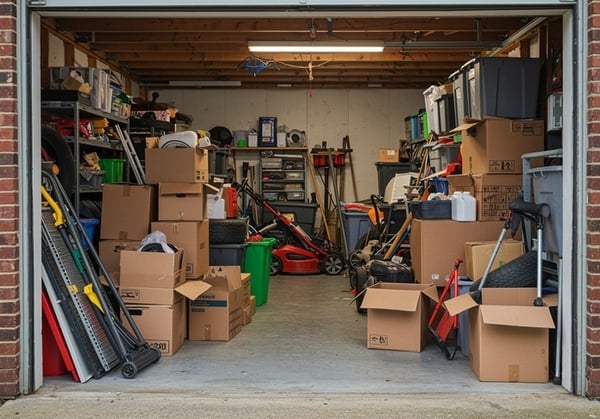
The optimal environment for storing lithium batteries requires maintaining an ideal temperature range. You also need to manage moisture and humidity, light, airflow, and, for lithium-ion batteries, a charge level between 40 and 70% for the duration of their storage.
- Store and charge chargers and devices in a fire-resistant container in a cool, dry place.
- Do not store any batteries loosely in a junk drawer with other metal objects.
- Store all batteries in the container they are sold in or standing upright.
- Store in a cool, dry location between 41°F and 68°F (5°C to 20°C).
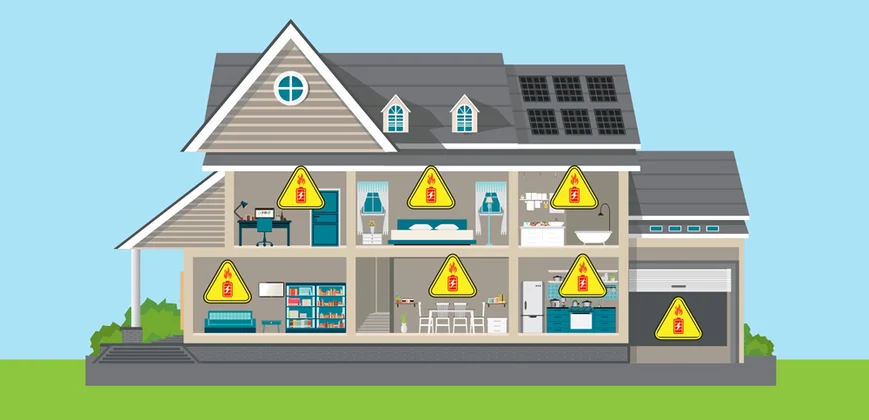
- Keep your lithium-ion and lithium batteries out of hot attics, sheds, and garages, especially in the summer months.
- When storing vehicles, take your lithium car, golf cart, or electric vehicle batteries out of the vehicles.
- Never store your lithium or Li-ion battery near heat sources or in the direct path of light exposure, particularly UV rays.
- Your ideal battery storage environment needs to be dry with little to no humidity. The optimal humidity levels for your battery storage space are between 30% and 50%.
How to Extinguish Lithium Battery Fires
If a fire occurs, the sheer volume and explosive nature of these events make them very hard and dangerous to extinguish. Hand-held powder extinguishers do not work, and these fires create extremely toxic gases. Lithium-ion fire extinguishers, a new type of fire extinguisher that is specifically made for use with lithium-ion battery fires, can be found but are very expensive.
Thermal runaway produces its own oxygen, often reigniting fires after being extinguished. Due to the unpredictable and volatile nature of these fires, the best thing to do is to leave the room immediately, close the door, evacuate your home, and call 911. Having smoke detectors and fire extinguishers in your home is a smart way to help protect your family from any home fire.
How to Safely Dispose of Batteries in Virginia
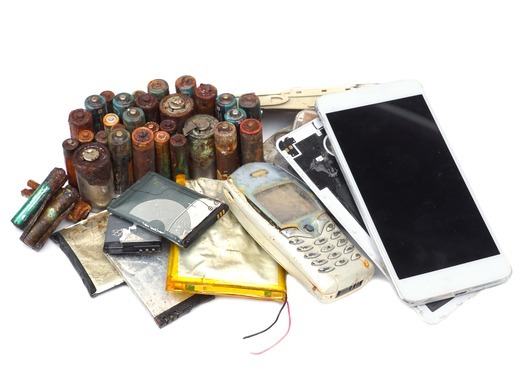
There are four types of rechargeable batteries in homes today: lithium-ion, nickel-cadmium (ni-cad), nickel metal hydride, and small sealed lead acid batteries (SSLA's under 2 lbs.) When damaged or exposed, these batteries pose a major fire hazard and can not be thrown away in your trash or placed in your regular recycling bin.
Rechargeable batteries, rechargeable devices, and lithium batteries that no longer function or have been damaged, deemed defective, or recalled should be recycled properly. They should be recycled at a hazardous waste facility or with certified battery electronics recyclers that accept batteries in your local area. Several chain stores that sell electronics or batteries collect batteries for recycling. Any rechargeable electronic device has a rechargeable battery and needs to be recycled when it no longer holds a charge. Examples include laptop computers, remote control toys, portable power tools, video cameras, smartphones, and cordless phones.
Before taking your lithium, rechargeable, or single-use alkaline batteries to be recycled, place electrical tape over the ends. Keep lithium batteries stored separately from each other and other types of batteries in a cool, dry place. Metal coffee cans with kitty litter provide a safe storage option. When transporting them to be recycled, place them in separate sealed small zip-lock plastic bags, and do not leave them in your car unattended.
Does Home Insurance Cover Damage from Lithium-ion Battery Fires?
Home insurance can cover fire damage from lithium-ion batteries. Homeowners insurance typically helps cover damage to the structure of a home as well as attached structures, such as a garage. Standard home insurance coverage usually also extends to your personal belongings, such as furniture and clothing. Always read and discuss your policy with your local agent to learn what risks are excluded from your coverage and that you have the appropriate limits. Assess if it makes sense to have enough coverage to fully replace your home.
Electric Vehicles and Lithium-ion Batteries
If you own an electric vehicle (EV), it’s important to understand the different risks that these vehicles pose to your home and property. There are two different ways to charge your vehicle at home, depending on how fast you want to charge your car. Always consult a licensed electrician whose work is properly permitted and inspected by our local codes department. Your electrical system may need to be upgraded. Ensure proper modifications and safety equipment are included. Currently, home insurance rates are not higher when you own an EV, but it's a good idea to inform your local agent if you purchase one.
Safety precautions for EVs at home
Electric vehicles are quite safe when following the recommendations for care and charging. EVs are less likely to catch fire than traditional vehicles. Here are a few safety precautions you can take to ensure safety, especially following a collision:
- Avoid using an extension cord to charge your EV.
- Store all charging equipment, including connection hoses, out of reach of children and pets to prevent the chance of electrocution and tripping hazards.
- Place heat detectors in any enclosed area that you park and charge your vehicle.
- Regularly check your charging station for any changes.
- If your EV is involved in a crash, take it to a repair shop as soon as possible to have the battery inspected for damage. It's best to avoid parking it in a garage until you know the car's lithium-ion battery is safe.
It's smart and easy to keep your home and family safe from the potential fire hazards of lithium-ion batteries if you take the time and precautions. Follow our helpful tips and keep powering your life and the devices you love safely.
Flooding and Lithium Battery Combustion
There is a growing concern that is unique to coastal areas in Virginia and other hurricane zones — the spontaneous combustion of EVs and other battery-powered devices after flooding by the storm surge and flooding. Hurricane Helene resulted in at least 64 lithium battery fires in Florida. EVs accounted for 17 of those but the rest were overheating and sometimes exploding lithium-ion batteries in golf carts, electric bikes and scooters and wheel chairs. Water conducts electricity and can a cause a short-circuit, which creates heat and potentially fire.
The threat of lithium battery fires can worsen damage to homes and buildings after floods and are difficult to extinguish. To prevent water damage to your EV when a storm or hurricane is forecasted, relocate them to higher ground or a protected parking area where flooding is not expected.
What if my EV or Other Battery-operated Device is Flooded?
If your electric car floods or device does come in contact with water, take fire safety precautions to avoid injury and property damage:
- Contact your manufacturer and follow recommendations for your specific vehicle/device.
- If the vehicle is being stored indoors, and can be moved, move it outside into an open-air location. If it cannot be moved, try to keep the storage area open and vented.
- Leave all windows and/or doors open to allow any potentially flammable gases to vent from the passenger compartment.
- Unplug and do not attempt to charge the vehicle.
- Disable the vehicle by chocking the wheels, placing the gearshift in park and removing the ignition key and/or disconnecting the 12V battery.
- Avoid contact with the HV battery especially if a vehicle is showing signs of a damaged or overheating HV battery.

Sources:
https://www.arcgis.com/apps/dashboards/7be4875ef3f64d628810c3e5e84eb76f
https://www.nfpa.org/education-and-research/home-fire-safety/lithium-ion-batteries
https://www.nhtsa.gov/sites/nhtsa.gov/files/interimguide_emergencyresponse_012012_v3.pdf
THE NORTHERN NECK INSURANCE INTEGRITY PROMISE — We pledge to provide straight talk and good counsel from our NNINS Virginia insurance experts through our blog. While we hope you find this to be a helpful source of information, it does not replace the guidance of a licensed insurance professional, nor does it modify the terms of your Northern Neck Insurance policy in any way. All insurance products are governed by the terms in the applicable insurance policy.