It's officially grilling season! May is National Barbecue Month, just in time for Memorial Day celebrations, graduation parties, and Mother's and Father's Day cookouts across the Commonwealth. And it's an especially good time to avoid a trip to the emergency room. So let's grill safely!
Safe grilling tips from insurance experts
If you are the designated family griller, you probably already follow the fundamentals of grill safety. Most people understand how critical it is to keep children and pets away from the grill, never leave a lit grill unattended, and use it only outdoors to prevent carbon monoxide poisoning. Keeping your grill clean to reduce gas flare-ups is also essential. Even so, there are additional risks you may not yet have considered.
We've seen our share of grilling mishaps insuring Virginia homes since 1896. According to The National Fire Protection Agency (NFPA) gas grills were involved in over 9,200 home fires per year, including 4,662 structure fires and 4,573 outdoor fires annually between 2020 and 2024. There are also a few lesser-known grilling dangers. We'll share tips to thwart them, protect your family, and protect your home from fire and heat damage.
Grill danger #1: The "Ticking Time Bomb"
Picture this: you bend over to light your grill like a thousand times before and—BOOM!— there’s a sudden burst of flames engulfing the front of your body. It sounds extreme, but grillers commonly make the mistake of turning the propane on and lighting the grill with the lid shut, allowing a dangerous buildup of flammable gas. Always open the lid before you light the grill, and don’t just keep hitting that igniter switch if it doesn’t light the first time. Turn the gas off and wait 5 minutes with the grill lid open before trying again.
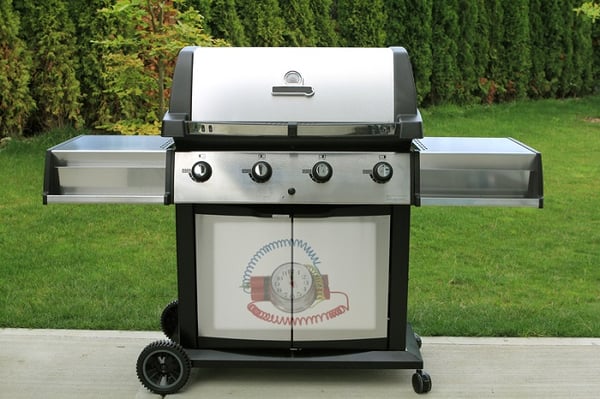
According to the NFPA, leaks and breaks were the primary problem with explosive grill fires due to a gradual gas buildup from damaged or loose propane hoses. This type of leak can go unnoticed, even for careful homeowners. To help prevent it, replace your hoses annually and routinely inspect, check, and tighten all connections.
How to check your grill for gas leaks
This video outlines how to check your grill for gas leaks. It’s always better to be safe than sorry!
Grill Danger #2: The "Expired Grill Tool"
When was the last time you replaced your grill cleaning brush? Injury from wire-bristle grill brush is uncommon but more prevalent during grilling season. You may be shocked to know wire-bristle grill brush injuries in the United States have increased significantly, with an estimated 3700 cases of bristle ingestion treated in U.S. emergency rooms between 2015 and 2023, representing a 229% increase compared to 2006–2014, according to a study published in 2026. This is due to the potential for loose bristles from old overused brushes to tend to fall off during grill cleaning and end up in grilled food, resulting in mouth, throat, and even abdominal injuries.
I went out and took a picture of my wire grill brush just for this post, and as you can see,… guilty as charged! I had no idea mine was in such bad shape.
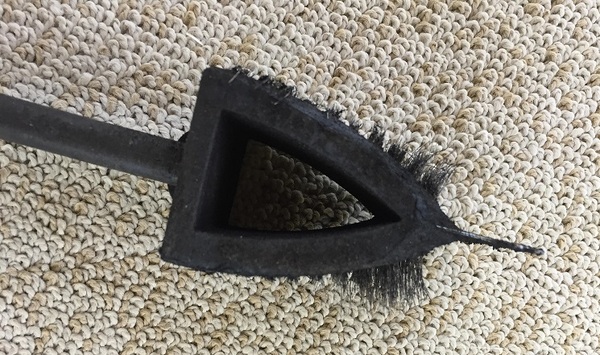
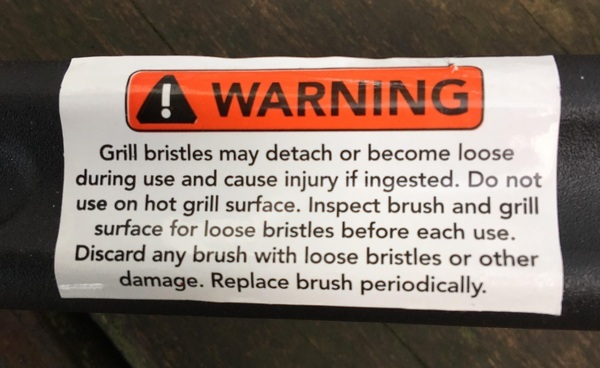
To reduce this risk, choose a high-quality nylon grill brush and avoid cutting corners on your grilling tools. Be sure to retire worn brushes and plan to replace your grill brush at least once a year. For example, here is the safety warning printed on a new grill brush I recently purchased:
Grill Danger #2: The "Siding Melter"
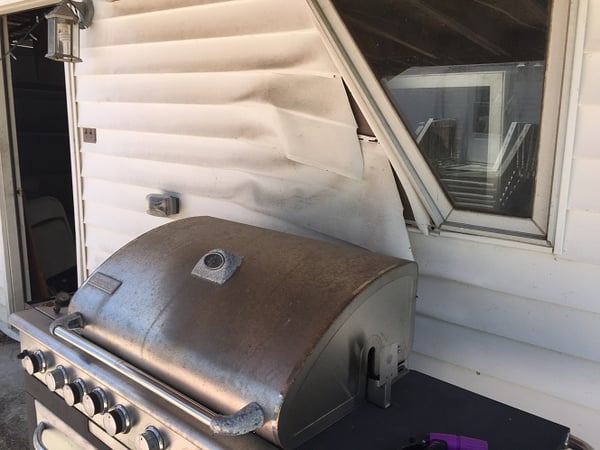
Our home insurance experts were surprised to read online recommendations of only 3 feet between your grill and a structure. Perhaps that’s why NFPA reports an average of 10,600 home grill fires yearly. The two leading reasons? Grills left unattended or placed too close to something flammable. And as you can see from one of our claims, grills don't have to catch fire to cause costly home damage.
The same rules apply if you like to grill with charcoal, with one crucial caveat. Justin, our home claim expert, reminds us that it’s super important to keep cooling briquettes away from flammables and never dispose of them until they are completely cooled—after about 48 hours—and in a non-flammable container.
Does home insurance cover grill damage?
The good news is that you can be protected against accidental grilling mishaps under your NNINS homeowners insurance or renters policy. Home insurance can cover damage to your home and other personal property like patio furniture, sheds, and decks. Your homeowners policy can also cover the medical expenses of a guest injured from a grill fire under the liability portion of your home insurance policy.
So, give your grill a good once-over before you fire it up! Why not keep a fire extinguisher close at hand? Class B, ABC, or K fire extinguishers work well for grease fires. Keep your home insurance policy up-to-date by letting your independent agent know when you build or purchase something for the exterior of your home and include them in your home inventory (opens in a new window). That's extra peace of mind and following our tips to avoid a grilling mishap so your family can stay safe and sound this summer.

Sources:
https://www.nfpa.org/education-and-research/home-fire-safety/grilling
https://pubmed.ncbi.nlm.nih.gov/41825094/
https://www.cpsc.gov/node/63278
https://www.sciencedirect.com/science/article/pii/S016558762600087X
https://www.nfpa.org/education-and-research/home-fire-safety/grilling
THE NORTHERN NECK INSURANCE INTEGRITY PROMISE — We pledge to provide straight talk and good counsel from our NNINS Virginia insurance experts through our blog. While we hope you find this to be a helpful source of information, it does not replace the guidance of a licensed insurance professional, nor does it modify the terms of your Northern Neck Insurance policy in any way. All insurance products are governed by the terms in the applicable insurance policy.