We pledge to provide straight talk from our NNIC Virginia insurance experts. Read the Northern Neck Insurance Integrity Promise.
Natural disasters can be frightening. From wildfires to heavy rainfall and flooding, forecasts and news reports can create concern and uncertainty. Hurricane season brings additional questions, especially when annual predictions focus on Virginia and the surrounding Atlantic region. Hurricane season in Virginia runs from June 1 through November 30, with peak season typically occurring from late summer into early fall. Tropical systems can bring damaging winds, flooding rains, tornadoes, coastal storm surge, and power outages well inland. Because conditions can change quickly, preparing before a storm develops gives you and your family more time to stay informed, protect your property, and respond safely.
As a local insurer, Northern Neck Insurance has served Virginia homeowners through hurricane seasons since 1896. We understand the peace of mind that comes from preparing your home and family before the next major storm. Reliable information is essential, but knowing which resources to trust and where to begin can be difficult. Because finding clear, practical guidance should not add to that stress, we are here to help.

To help Virginians prepare with confidence, we created this Hurricane Preparedness Guide with trusted information from the Virginia Department of Emergency Management (VDEM), the Insurance Institute for Business & Home Safety (IBHS), the Virginia Department of Transportation (VDOT), and regional utility providers. Use this guide to make a plan, protect your home and family, and respond safely before, during, and after a hurricane.
Have a Family Plan for a Hurricane in Virginia
It's important to have a plan for your family ahead of the chance for severe weather. Use the following checklist to help your family prepare for a hurricane:
- Download the FEMA app and local news apps for severe weather alerts.
- If you live in a participating Coastal Virginia locality, use Virginia’s Virginia Know Your Zone (opens in a new window) tool to identify your evacuation zone. Otherwise, check with your local emergency-management office for evacuation guidance.
- Locate a homeless shelter (opens in a new window) if needed.
- Prepare an emergency kit (opens in a new window) to sustain your family after a disaster. Depending on the severity of the disaster and your geographic location, assistance may take several days or weeks to reach you and your family.
- Exercise the best ways to prepare your home and car for a tornado.
- Wear layers of loose-fitting, lightweight, warm clothing that will keep you warm, but you can take off to cool down.
- Find a local emergency shelter at the Virginia Department of Emergency Management (opens in a new window).
- Buy a battery-operated/hand-crank weather radio.
- Locate copies of your insurance policy.
- Have family and emergency contact information available.
- Get extra cash. In a power outage, ATMs and electronic payment methods may not be working.
- Have a home inventory for important documentation in case of a insurance claim.
Stay Aware of Hurricane Forecasts in Virginia
Staying informed about hurricane forecasts is an important part of preparing for severe weather in Virginia. Storm tracks and intensity can change, so monitor trusted sources throughout hurricane season for updates about a storm’s path, timing, and potential impacts. The National Hurricane Center, National Weather Service, Virginia Department of Emergency Management, and local officials can provide guidance specific to your area.
Pay attention to watches, warnings, evacuation notices, and shelter information, and act promptly when officials advise you to do so. Hurricanes can bring dangerous winds, heavy rain, and flooding well beyond the coast. Staying informed gives you more time to protect your home, gather supplies, and keep your family safe.
How to Stay Informed of Hurricanes in Virginia on Social Media
Stay ahead of local weather, especially before you head out the door and get on the road. Track storms and make appropriate preparations for the worst-case scenario. The Virginia Department of Emergency Management (opens in a new window) (VDEM) has great resources for your family when storms are approaching Virginia. They also have an active Facebook page (opens in a new window) you can follow.
The National Weather Service for Virginia (opens in a new window) has social media communication channels in 4 regions:
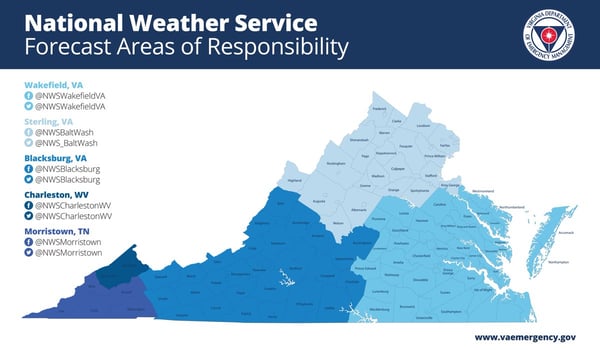
Regional Weather Service Offices Serving Virginia On X
- Central Virginia: @WakefieldVA (opens in a new window)
- Southwest Virginia: @NWSBlacksburg (opens in a new window)
- Northern Virginia @NWS_BaltWash (opens in a new window)
- Tennessee: @NWSMorristown (opens in a new window)
- West Virginia: @NWSCharlestonWV (opens in a new window)
Regional Weather Service Offices Serving Virginia On Facebook
- Central Virginia: @NWSWakefieldVA (opens in a new window)
- Southwest Virginia: @NWBlacksburg (opens in a new window)
- Northern Virginia: (opens in a new window)@NWS_BaltWash (opens in a new window)
- Tennessee: @NWSMorristown (opens in a new window)
- West Virginia: (opens in a new window)@NWSCharlestonWV (opens in a new window)
You can also report a road issue to the Virginia Department of Transportation (VDOT) at 1-800-367-7623 (FOR-ROAD). Do not report hazards while you're driving. Pull over safely or wait until you get home. For life-threatening emergencies, please dial 911.
Know the Difference Between Severe Weather Watches and Warnings
The National Oceanic and Atmospheric Administration (NOAA)/ National Weather Service issues both watches and warnings. However, there are critical differences between the two alerts and can apply to hurricanes and tornadoes.
Hurricane Watch vs. Hurricane Warning
A Hurricane Watch is issued when a tropical cyclone containing winds of 64 kt (74 mph) or higher poses a possible threat, generally within 48 hours. These winds may be accompanied by storm surge, coastal flooding, and/or river flooding.
A Hurricane Warning is issued when sustained winds of 64 kt (74 mph) or higher associated with a tropical cyclone are expected in 36 hours or less. These winds may be accompanied by storm surge, coastal flooding, and/or river flooding. A hurricane warning can remain in effect when dangerously high water or a combination of dangerously high water and exceptionally high waves continue, even though winds may be less than hurricane force.
Tornado Watches and Warnings
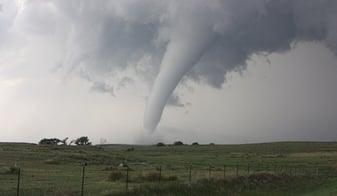
Tornadoes can occur in Virginia during a hurricane. To stay safe, be sure to sign up for local weather alerts and learn the warning signs that a tornado may be approaching your area.
A Tornado Watch is issued when severe thunderstorms and tornadoes are possible in and near the watch area. It does not mean that they will occur. It only means they are possible.
A Tornado Warning is issued when a tornado is imminent. When a tornado warning is issued, seek safe shelter immediately.
How to Prepare for a Hurricane
Locate your home insurance documents, policy number, and contact information for your local agent. If you're a Northern Neck Insurance member, access your policy documents through your online member account.
What Does a State of Emergency in Virginia Mean?
In Virginia, a state of emergency may be issued in advance of a hurricane. This formal declaration allows the Commonwealth to mobilize resources and deploy personnel and equipment to support response and recovery efforts. It also helps state and local officials coordinate assistance and may authorize additional emergency measures related to essential resources, depending on the circumstances and applicable law. When a storm causes significant damage, the declaration can support Virginia’s request for a federal disaster declaration and potential assistance through FEMA, although federal aid is not automatic. Residents should continue monitoring local alerts, preparing their households, and following instructions from emergency officials.
Prepare your Home for a Hurricane
Taking a few steps before a hurricane arrives can help reduce potential damage and make recovery easier. Walk around your property to identify items that could become hazards in high winds, check essential systems, and prepare your home for rain, flooding, and power outages. The following checklist can help you protect your home and property before severe weather reaches Virginia:
- Secure loose or weak fencing and mailboxes.
- Anchor heavy objects, such as play equipment and trampolines, deep into the ground.
- Trim tree branches close to home.
- Bring in smaller loose items.
- Flood proof your basement.
- Test your sump pump if you have one.
- Unplug expensive electronics and appliances if you do not have surge protection.
- Prepare the outside of your home for severe weather season.
- Understand and consider flood insurance for your area's risk. Your local agent is an excellent source of help! Be aware that there is generally a waiting period of 30 days for certain types of flood insurance to take effect.
- Have working smoke and carbon monoxide detectors.
- Charge your electronics.
- Prepare your car for a hurricane.
How to Prepare for your Pets and Livestock
- Have extra pet food and water on hand, plus any necessary medications.
- Bring your animals inside and ensure your horses and livestock have unimpeded access to shelter, food, and clean water.
- Make sure your pets are current on their vaccinations.
- Have a current picture on your phone.
- Ensure your pet wears a collar with identification and keep a leash on hand.
- Have properly sized pet carriers.
- Have a place to take your pet if you need to evacuate – kennels, veterinary clinics, and the homes of friends and relatives, or a pet-friendly motel (opens in a new window) are all places you can take your pet in an emergency.
- Develop clear procedures for evacuating both small and large animals. Determine how you will transport them safely, especially for large animals like horses.
- If evacuating a pet is not feasible, designate secure locations within your home or property where pets can remain protected during an emergency, ensuring they have access to food, water, and suitable shelter. Never leave an animal tethered; make sure they can safely avoid danger if evacuation is not possible.
How to Stay Safe During a Hurricane
Hurricanes can create dangerous conditions quickly, including strong winds, tornadoes, flooding, and power outages. As a storm approaches, follow guidance from local emergency officials and evacuate promptly if instructed to do so. If you remain at home, the following steps can help you and your family stay as safe as possible during the storm:
- If you are in a mobile home when a tornado warning is issued, leave immediately and move to a safer, sturdier location. Even if the home is tied down, you are likely safer elsewhere.
- Keep all windows closed and all doors shut, including interior and garage doors.
- Secure infants and young children in car seats, even when you are sheltering indoors.
- Choose an interior room with no windows on the lowest level of your home—such as a basement, storm cellar, bathroom, or closet—and use it as your shelter area. Stock it with pillows, helmets, and sturdy shoes.
- Keep pets with you by placing them on a leash or in a carrier.
- If you lose power, avoid using candles whenever possible. If you must use them, keep them at least three feet away from children, pets, and anything that can burn.
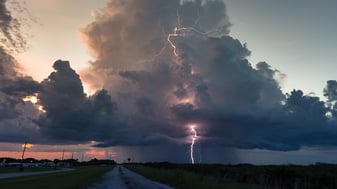
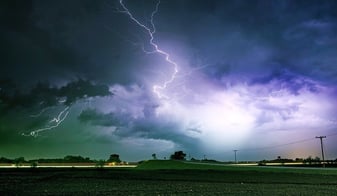
- Use extra caution around lightning, even when you are inside your home.
Know Where to Shelter During a Tornado
Hurricanes can produce tornadoes, so it's important to learn where to take shelter and be prepared to act quickly when a tornado warning is issued. Learn more about tornado safety!
Here are tips for sheltering at home, school, or work:
- If you are indoors when a tornado threatens, move to a small, windowless interior room on the lowest level of your home, placing as many walls as possible between you and the outside.
- Stay away from windows, and shelter under a sturdy table or other strong surface if one is available.
- Use a mattress or blanket to help shield yourself from flying debris, and protect your head and neck with your arms.
- If readily available, wear a bicycle or motorcycle helmet to help reduce the risk of head injury.
- Remain sheltered until the warning has ended and local officials advise that it is safe to leave.
What to Do After a Hurricane
How to Report a Power Outage
The best way to report and track a power outage in your area is by using online platforms. Electric utility companies can be inundated with phone calls. Utilize the links below to report an outage online and find information about electric utilities in your region.
- Dominion Energy (opens in a new window) 866-366-4357
- Northern Virginia (NOVEC) (opens in a new window) 888-335-0500
- Appalachian Power (opens in a new window) 800-956-4237
- Shenandoah Valley Electric (SVEC) (opens in a new window) 800 234-7832 (opens in a new window)
- Southside Electric (SEC) (opens in a new window) 866-878-5514
- Rappahannock Electric (REC) (opens in a new window) 800.552.3904
- Community Electric (COMELEC) (opens in a new window) 757-242-6181
-
FirstEnergy (opens in a new window) 888-544-4877
How to Take Care of Your Family and Community
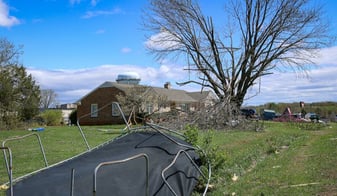
After any severe storm, damage could occur, including downed trees on your property (opens in a new window), power outages, broken glass, and more.
- Stay in your shelter until after the storm or emergency personnel have arrived.
- Check on elderly or disabled neighbors and relatives.
- Outside, watch out for downed power lines and avoid any puddles with wires in them. These could be carrying deadly live currents.
- Turn off utilities, especially natural gas or propane, to avoid fire.
- Check your utility lines and appliances for damage. If you smell gas, open the windows and turn off the main valve. Don't turn on lights or appliances until the gas has dissipated. If electric wires are shorting out, turn off the power.
- Be aware there may be leaking gas pipes or fuel tanks nearby. The oil from these can be present in water or on the ground, so avoid using matches or lighters.
What to Do if You Have Hurricane Damage
If your home experiences damage during a severe weather, you may call your local agent for advice. Your agent can help you with your specific situation. Have your policy number and a list of questions ready: Am I covered? What's my deductible? When can I expect an adjuster to come to inspect the damage? What are the next steps?
When you're ready, the best way to report your home insurance claim is using your NNINS online member account. At your convenience, you can provide all your claim details and upload all your documentation, such as photos, police reports, and receipts. You can also call our 24/7 Claims Hotline at 877-968-7252. Keep in mind, you may experience longer than normal wait times if a large storm resulted in many claims.
Damage caused by hurricanes, such as wind, hail, lightning, falling objects, or debris, can be covered under standard homeowners policies and an auto insurance policy's optional comprehensive car insurance. Check out our storm damage claims article.
Here are more tips for staying safe after hurricane damage:
- Be careful walking around damaged areas in your home — Inspect your home for damage and take pictures.
- Document and report your damage — If your home experiences damage during severe weather, call your local agent and report your claim online on our Member Portal or by calling our 24/7 Claims Hotline at 877-968-7252. Read our frequently asked questions about home insurance claims.
- Make temporary repairs to prevent further loss from rain, wind, or looting — these costs are reimbursable under most policies, so save the receipts. Don't throw out damaged property until you have met with an adjuster.
- Control water damage — While home insurance does not usually cover flooding, there are important steps to take to mitigate home damage from flood water.
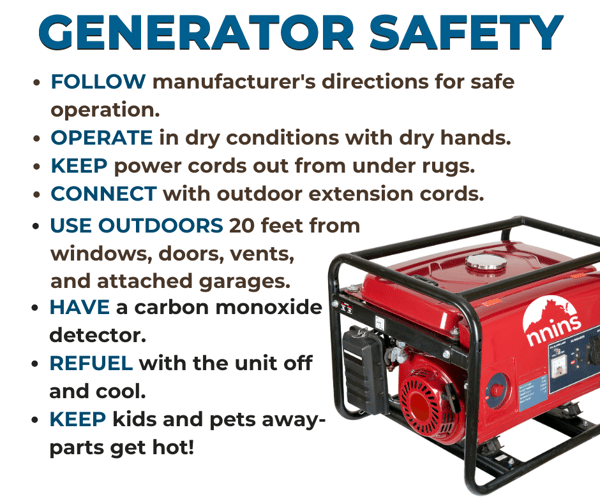
- If you're running a generator outside, keep it dry — Exposed electrical outlets pose a serious shock hazard in wet conditions like rain. Never run it in a garage, basement, or crawl space to avoid dangerous carbon monoxide poisoning.
- If your home is uninhabitable because of tornado damage — Your renters or homeowners insurance can cover additional living expenses such as hotel bills or meals. Save all related receipts and ensure your insurance agent and adjuster know where and how to contact you.
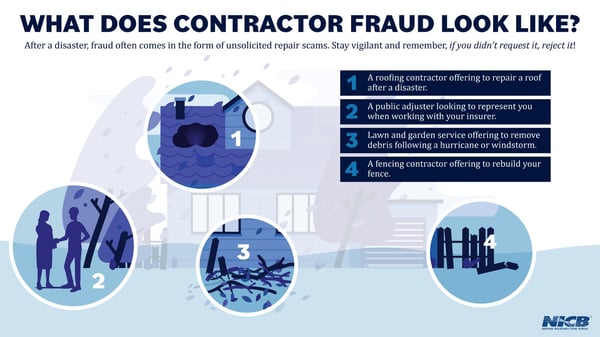
- Don't rush to sign repair contracts — Do your homework, deal with reputable contractors, and get references. Be sure of payment terms and consult your insurance adjuster before you sign any contracts and beware of insurance fraud scams.
Travel in Virginia During and After a Hurricane
Avoid Travel During a Hurricane Whenever Possible
While travel is sometimes unavoidable, delaying leaving home or work until severe weather passes is safest. Prepare to travel before imminent severe weather by contacting transportation sources for up-to-date travel information. If hail or flooding is in the forecast, moving your car to higher ground or under cover into a garage is a good idea.
Driving in heavy rain can be dangerous. Driving in a hurricane is very dangerous! The most important thing to remember is to avoid driving through flooded roadways after a hurricane or heavy rainfall. Flooded roadways may not look deep, but taking the chance can be life-threatening and damaging to your vehicle. Avoid downed power lines. It's best to stay home as much as possible unless instructed by authorities to evacuate.
Driving After a Hurricane
Hail can cause costly damage to your car. Before attempting to drive, inspect your vehicle for any signs of water damage, debris, or structural issues. Check the undercarriage and wheel wells for debris that may have accumulated during the storm. Prepare to drive safely in the rain and protect your car from hail damage during and after severe weather with the following tips:
- Adjust your commute and telework if possible.
- Monitor forecasts closely.
- Avoid travel unless absolutely necessary.
- Turn on your headlights and drive the conditions.
- Do not drive through flooded roads.
Special Considerations for Electric Vehicles (EVs)
EV owners should exercise additional caution, as saltwater exposure can pose fire risks. After potential exposure to saltwater, refrain from operating or charging the vehicle and consult with manufacturers or emergency services if battery damage is suspected.
Virginia Department of Transportation Resources
The Virginia 511 Information System (opens in a new window) provides the latest traffic and road conditions by phone, website, and app.
The VDOT Safety Patrol (opens in a new window) provides free-of-charge services for interstate trouble, such as tire change assistance, fuel at the nearest gas station, jump starts, phone access, and directions.
Virginia State Police (opens in a new window) is active on Twitter: @VSPPIO (opens in a new window) and Facebook: @VirginiaStatePolice (opens in a new window)
Follow the Virginia Department of Transportation (opens in a new window) for local travel advisories on Twitter in your local area:
- Northern VA @VaDOTNOVA
- Staunton @VaDOTStaunton
- Culpeper @VaDOTCULP (opens in a new window)
- Richmond @VaDOTRVA (opens in a new window)
- Bristol @VaDOTBristol (opens in a new window)
- Salem @VaDOTSalem (opens in a new window)
- Hampton Roads @VaDOTHR (opens in a new window)
- Lynchburg @VaDOTLynchburg (opens in a new window)
- Fredericksburg @VaDOTFRED (opens in a new window)
Follow the VDOT Facebook Page (opens in a new window) and join the following Facebook groups for local advisories:
- VDOT Fredericksburg District (opens in a new window)
- VDOT Salem District (opens in a new window)
- VDOT Hampton Roads District (opens in a new window)
- VDOT Bristol District (opens in a new window)
- VDOT Lynchburg District
- VDOT Culpeper District (opens in a new window)
- VDOT Northern Virginia District (opens in a new window)
- VDOT Richmond District
What to do if You Get Stranded in Your Car During a Hurricane
If you become stranded in your vehicle during a hurricane, stay calm and remain inside until severe weather has passed or help arrives. Follow these steps to stay safe, conserve resources, and make it easier for rescuers to locate you.
- Stay put with your seatbelt buckled until severe weather has passed.
- Call, and wait for help. Do not leave your car unless help is visible within 100 yards.
- Indicate you need help. Turn on your hazard lights and mark your car with flares or triangles. Hang a brightly colored cloth on the radio antenna and raise the hood.
- Run the engine intermittently to keep warm or cool if needed, about 10 minutes each hour (or 5 minutes every half hour).
- Leave the overhead light on when the engine is running so that you can be seen.
- Do light exercises for circulation (avoid staying in one position for too long).
You can also report a road issue to the Virginia Department of Transportation (VDOT) at 1-800-367-7623 (FOR-ROAD). Please don't report hazards while you're driving. Pull over safely or wait until you get home. For life-threatening emergencies, please dial 911.
Check Virginia Airports for Travel Delays
Air travel can be affected before, during, and after a hurricane. If you plan to fly, check with your airline and airport before leaving home, allow extra time, and be prepared for delays or cancellations as conditions change. The Virginia airports below provide updated information to help you plan safely. Click the links for updated flight information:
- Richmond International Airport (opens in a new window)
- Ronald Reagan International Airport (opens in a new window)
- Washington Dulles International Airport (opens in a new window)
- Roanoke-Blacksburg Regional Airport (opens in a new window)
- Norfolk International Airport (opens in a new window)
- Newport News/Williamsburg International Airport (opens in a new window)
- Lynchburg Regional Airport (opens in a new window)
- Charlottesville-Albemarle Airport (opens in a new window)
- Shenandoah Valley Regional Airport (opens in a new window)
Other Helpful Hurricane Preparedness Information
We also have useful information that can answer your questions about home insurance, hurricane deductibles, insurance for flood damage, and preparing your home's roof, trees, and gutters for hurricane season. We encourage all of our members to have a home inventory. Having one makes any claims process run a whole lot smoother. We recommend contacting your independent agent regularly to review and understand your coverage.
Simply said- we're here for you! Use our guide to help your family prepare for a Virginia hurricane. Check out our severe weather claim FAQs and contact your local independent agent or contact us if you need to file a home or car insurance claim. We're right here and ready to help.
Sources:
https://ibhs.org/hurricanereadyhomeafterevent/#.YzNN6HmmPoQ.link
https://www.vaemergency.gov/know-your-zone
https://www.vaemergency.gov/prepare/emergency-kit
https://law.lis.virginia.gov/vacode/title44/chapter3.2/section44-146.21/
THE NORTHERN NECK INSURANCE INTEGRITY PROMISE — We pledge to provide straight talk and good counsel from our NNINS Virginia insurance experts through our blog. While we hope you find this to be a helpful source of information, it does not replace the guidance of a licensed insurance professional, nor does it modify the terms of your Northern Neck Insurance policy in any way. All insurance products are governed by the terms in the applicable insurance policy.