Are Tornadoes Common in Virginia?
Virginia is no stranger to tornadoes. Researchers at Old Dominion University have even identified a primary "Tornado Alley" in eastern and northern Virginia, including Richmond, the Tidewater region, and Northern Virginia. The number of mobile homes in Bedford, Franklin, and Pittsylvania Counties makes those communities a "highest risk" region. Peak months for tornadic activity in the commonwealth are March through May, but tornadoes can also occur anywhere throughout the summer months and peak hurricane season in the fall. Start preparing for a tornado by knowing your area's risk.
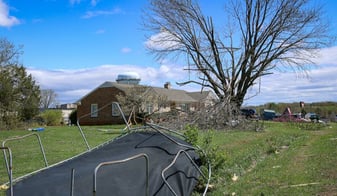
On April 15, 2018, a tornado traveled 25 miles from Campbell County through Lynchburg and Amherst County. The damages in Amherst County alone exceeded $6 million, flattening giant trees like toothpicks and damaging homes and businesses.
Tornado Safety at Home
There are many ways to prepare for tornado season. Your family's safety is your priority so staying in touch with your local weather is as important as having a good plan in place. Sign up for your community's alert system and alerts through the Emergency Alert System (EAS). NOAA Weather Radio also provides emergency alerts. If your community has sirens, then become familiar with the warning tone. Do not wait until you physically see the tornado to begin sheltering. Here are more helpful tips:
Tornado Safety in a Home With No Basement
If your home doesn’t have a basement, move to the smallest inside room without any windows or outside walls on the lowest floor, such as a bathroom or closet. Use pillows, blankets, or a mattress to protect your body. The CDC also recommends sheltering underneath something sturdy like a heavy table or workbench for added protection.
You may have heard bathtubs are a safe location inside your home to take shelter during a tornado. If your bathroom lacks windows and is surrounded by interior walls, it may be a suitable alternative location if you don't have a basement. The space underneath a stairwell may also be used as a shelter because it is usually a very strong part of the house.

Tornado Safety for Family Members With Disabilities
If someone in your family has disabilities or special needs, make sure you have a specific plan in place for sheltering well in advance. If your loved one is unable to move from a bed or a chair, use any blankets, pillows, or similar items for protection from broken glass or projectile objects.
Tornado Safety on the Road
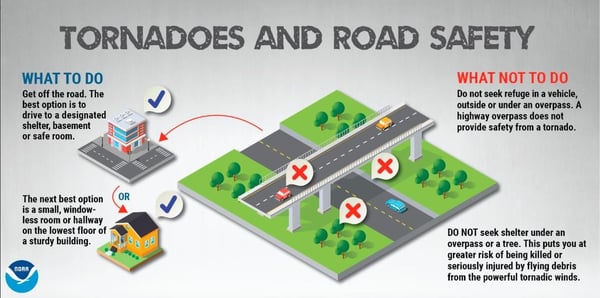
When severe weather threatens, avoid travel and wait until officials say it is safe to be on the road. If you are driving when a tornado warning is issued, do not try to outrun the tornado. NOAA recommends driving to the nearest sturdy shelter when you can do so safely. If you cannot reach shelter, pull over out of traffic, keep your seat belt fastened, lower your head below the windows, and cover your head with your hands and a blanket, coat, or other cushion if available. Never use an overpass as shelter.
If you are outdoors and cannot reach a sturdy building, lie flat in a low-lying area away from vehicles and trees, and protect your head and neck with your arms. If you are in a vehicle and can safely get noticeably lower than the roadway, leave the vehicle and lie in that area. These are last-resort options; the safest place remains a sturdy building, basement, or safe room.
How to Prepare Your Home for a Tornado
Prepare the Trees Around Your Home
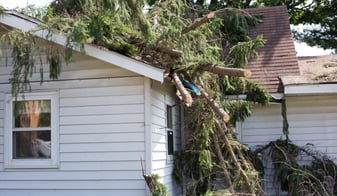
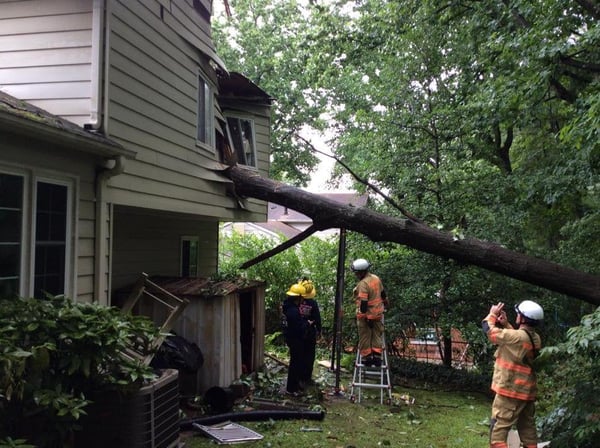
While tornadoes can be highly destructive, there are things you can do to prepare your home. Trees are common sources of home insurance claims for causing damage during severe weather. Remove dead or diseased trees and damaged or weak limbs and trim any overhanging branches close to any structure. Look for signs a tree might be susceptible to falling and determine if it needs to be removed before it can cause trouble.
Prepare the Area Surrounding Your Home
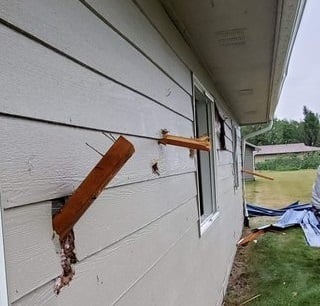
Walk around your property and identify anything that could become airborne during strong winds or a tornado. Remove heavy debris, such as branches, bricks, and firewood, from around your home. Create a checklist of outdoor items to bring inside when a tornado warning is issued so you can act quickly. Include patio furniture, play equipment, grills, trash cans, plants, and bird feeders to help reduce the risk of damage to these items and your home.
Close Exterior and Interior Doors
When you are alerted to a tornado watch, close all exterior doors and windows and your garage door if you have one. Next, close all the interior doors inside your home. Strong winds can create severe pressure inside your home. Closed doors help disperse that pressure reducing the effects that force can have on your roof during severe weather. They also provide added barriers to flying debris.
Is Tornado Damage Covered by Home Insurance?
Unlike flood or earthquake damage, tornado damage is typically covered by a standard homeowners insurance policy. Dwelling coverage may help pay to repair or rebuild the insured home after covered damage, while personal property coverage may help repair or replace covered belongings. Coverage is subject to the policy’s terms, limits, deductibles, and exclusions. Review your policy or speak with your local independent agent to understand how your coverage applies.
How to Prepare Your Car For a Tornado
Whenever possible, park your car in a garage or another secure, covered area before severe weather arrives. If covered parking is not available, choose a location away from trees, power lines, and loose objects that could become airborne. Avoid parking where flooding may occur.
If severe weather or an evacuation is possible, refuel before conditions worsen. Keeping your tank full can help you avoid crowded gas stations and provide more flexibility if traffic slows or routes change.
Is Tornado Damage Covered by Car Insurance?
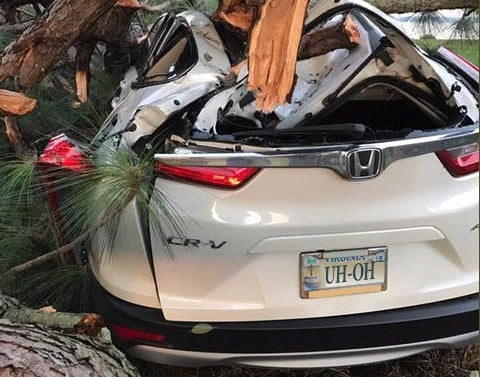
Tornado damage to your vehicle can be covered by your car insurance policy with optional comprehensive car insurance. This coverage provides protection for problems such as tornadoes, fire, hail, theft, falling objects, vandalism, and collisions with animals. Comprehensive auto insurance also covers flood damage to your car. Check with your local insurance agent to make sure you have comprehensive coverage or if it makes sense to add it to your insurance portfolio.
Tornado Preparedness: Key Takeaways
We hope you never experience a tornado. If severe weather causes damage, our team and your local independent agent are here to provide personalized support as you begin the recovery process. Safely take the first steps after severe weather and report your claim to get the process started. We look forward to serving you.
Learn more about homeowners insurance in Virginia >
THE NORTHERN NECK INSURANCE INTEGRITY PROMISE — We pledge to provide straight talk and good counsel from our NNINS Virginia insurance experts through our blog. While we hope you find this to be a helpful source of information, it does not replace the guidance of a licensed insurance professional, nor does it modify the terms of your Northern Neck Insurance policy in any way. All insurance products are governed by the terms in the applicable insurance policy.