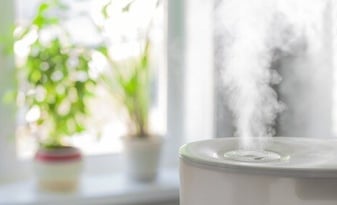
There is nothing quite like stepping into a cool, air-conditioned home on a record hot summer day in Virginia. However, indoor air quality can decline significantly during our hot, humid summers and may affect everyone in the household, especially those who are more vulnerable, such as children, older adults, and individuals with health conditions like asthma and heart disease. The good news is it's easy to improve your home's air quality and keep your home protected during Virginia's hottest weather months with a little HVAC system maintenance, a solution for humidity, and a few other measures.
How to improve your home’s indoor air quality during summer
1. Dehumidify Your Home's Air
High summer humidity can make your home feel hotter and more uncomfortable, while dehumidifying can help it feel cooler and keep the air cleaner. Excess moisture also promotes mold and mildew growth and termite activity, which can harm your indoor air quality and make your home more vulnerable to damage.
Aim to keep your home’s indoor relative humidity between 30–50% relative humidity (RH). Staying within this range helps maximize comfort, reduce damp, sticky air, and prevent mildew from growing on walls, furniture, and other surfaces. Maintaining proper humidity levels also helps you avoid creating conditions where toxic mold can thrive.
More Tips to Dehumidify your Home
- If your HVAC system has a humidifier attached for the winter, ensure it is completely turned OFF during the summer. You should also close the bypass damper on the unit to prevent extra moisture from entering your ductwork.
- Use a digital hygrometer (or the app on your smart thermostat) to keep an eye on your home's humidity levels.
- Leave your house fan running for part of the day. If you can, program your HVAC unit's fan to run intermittently at least 20 minutes an hour.
- Consider installing a whole-home dehumidifier that works with your existing HVAC system to help reduce allergy and asthma triggers.
- (opens in a new window)Investigate and rectify sustained RH above 55%.
- Avoid sustained RH of 60% or higher.
- Fix leaks and condensation promptly.
- Measure multiple areas of the home.
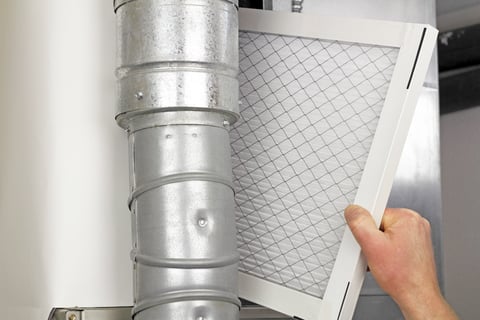
2. Filter Your Home's Air
The filters on your furnace and other air intake vents throughout your home play a key role in trapping irritants such as mold spores, pet dander, and even dead skin cells. Whenever possible, consider upgrading to allergen-rated, high-efficiency filters with a MERV rating between 14 and 16. These filters typically cost more upfront, but they last longer and do a better job of keeping your indoor air cleaner.
Because high-efficiency filters are denser than lower-cost options, they can fill with debris more quickly and restrict airflow if they are not changed regularly. To maintain healthy air quality and protect your HVAC system, inspect and replace disposable furnace filters more often than you might during other seasons—at least once a month in periods of heavy use. Even filters labeled as 90-day products will usually need to be changed sooner.
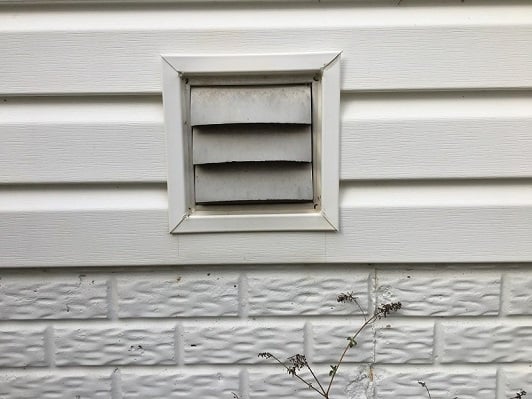
3. Ventilate Your Home's Air
It's harder to ventilate when you can’t open the windows and let in the fresh air. But there are ways to keep the air moving inside.
Tips for Ventilating your Home During Summer
- Use kitchen appliances, bathrooms, and whole-house fans regularly to circulate and move moisture and gases outdoors.
- Be sure appliances like dryers and stove hoods are vented correctly to the outdoors.
- Put off adding unneeded airborne chemicals into your home environment from remodeling, painting, and harsh project chemicals until fall.
Air purifiers can play an important role in removing indoor pollutants, especially in hot weather when windows and doors stay closed to keep out the heat. To help reduce summer allergy symptoms, look for purifiers with multiple stages of filtration, such as pre-filters, HEPA filters, and activated carbon filters. You can choose stand-alone air purifying units or systems that integrate with your home’s existing HVAC. Some models also include specialized UV lights designed to neutralize certain bacteria and viruses, adding another level of protection for your indoor air.
Helping Your Home Stay Cool During Summer
The first step to making sure your home can stay cool during summer months is checking that your home’s cooling system is working properly and doing regular summer home maintenance. This can include weather stripping around doors and windows helps to keep cool air inside. Covering windows and ensuring that your home is well insulated can also prevent interior temperatures from increasing.
Use ceiling fans to create a wind-chill effect by running the blades at medium to high speed in counter clockwise direction. This angled rotation pushes air straight down. You can change the direction of your ceiling fan by flipping the small directional toggle switch usually located on the base of the motor housing. Always ensure your fan is off before reaching up to flip the switch.
Here are a few more tips that can help your home stay cool:
- Delay or avoid using appliances such as dryers and ovens during the hottest part of the day.
- Turn off lights and electronics when you're not using them.
- Close blinds during the hottest part of the day.
- Avoid opening exterior doors more than necessary.
The HVAC 20-Degree Rule
Most central air conditioning systems are designed to cool the air passing through them by about 15° F to 20° F at a time. During periods of extreme heat, setting your thermostat too low can cause the system to run continuously or struggle to reach the set temperature, driving up your utility bills. Pushing an older system beyond this typical range can also increase wear and tear, contribute to frozen coils and breakdowns, and ultimately shorten the life of the unit.
To keep your home comfortable without overworking your HVAC system, close blinds during the hottest parts of the day to reduce solar heat, and run a dehumidifier. If your system cannot maintain close to a 20-degree difference between indoor and outdoor temperatures, it may be time for maintenance, such as replacing filters, cleaning coils, or having a professional check refrigerant levels.
By taking a few practical steps to manage humidity, improve airflow, replace filters regularly, and support your HVAC system, you can create a healthier, more comfortable home during Virginia’s hottest months. Small maintenance habits can make a meaningful difference in your indoor air quality while also helping your cooling system work more efficiently. When in doubt, a trusted HVAC professional can help you identify issues early and keep your home safer and more comfortable all summer long.

Sources:
https://www.deq.virginia.gov/air-energy/air-quality-forecast
https://www.deq.virginia.gov/news-info/the-environment-you/your-air/indoor-air-quality
THE NORTHERN NECK INSURANCE INTEGRITY PROMISE — We pledge to provide straight talk and good counsel from our NNINS Virginia insurance experts through our blog. While we hope you find this to be a helpful source of information, it does not replace the guidance of a licensed insurance professional, nor does it modify the terms of your Northern Neck Insurance policy in any way. All insurance products are governed by the terms in the applicable insurance policy.