I love feeling warm and cozy at home with a hot cup of tea on a cold winter day. What I don't love is how dry my skin and hair get during the winter months. Home indoor air quality can drop significantly during Virginia’s winters when you're all tucked in and can affect everyone, especially those who may be more vulnerable - children, the elderly, and people with health conditions like asthma and heart disease. The good news is it's easy to improve your home's air quality and keep it safe during cold weather months with a little home heating system maintenance, a moisture boost, and a few other measures.
How to improve your home’s indoor air quality during winter
1. Humidify your home's air
As awesome as they are, fireplaces, wood stoves, and even our furnaces can create super dry conditions at home. Whole-house evaporative humidifiers work the best to counteract symptoms of dryness but you can purchase stand-alone humidifiers for areas you spend most of your time. Here are a few more tips:
- Leave your house fan running.
- Aim for 35-50% home humidity and no more. You don’t want a breeding ground for toxic mold. (opens in a new window)
- Clean stand-alone cool mist humidifiers often with vinegar and water! Otherwise, you’re just shooting bacteria and mold into the air.
2. Filter your home's air
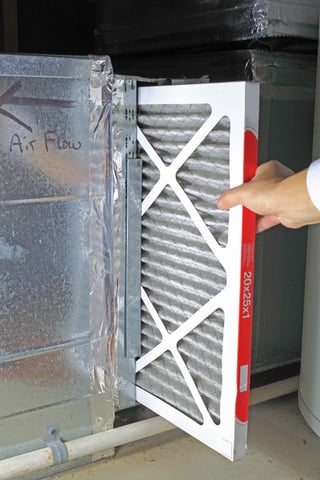
The filters on your furnace and other air intake returns around your home do the important job of catching irritants like mold spores, pet dander, candle & fireplace soot, and even dead skin cells. (Eww!) You can help eliminate these airborne culprits.
Spend a little more and upgrade to allergen-rated, high-efficiency house filters with a MERV rating of 14-16. They cost a bit more, but they last longer and keep your air cleaner during the winter months. The only problem with these filters is they are denser than cheap filters and can get dirty quickly, reducing good airflow. Clean and change your disposable furnace filters more frequently than other times of the year- at least once a month. Even those 90-day filters will need replacing sooner.
3. Ventilate your home's air
It's harder to ventilate when you can’t open the windows and let in the fresh air. Inadequate ventilation can result in high CO2 in a home from human respiration and combustion from appliances like stoves, furnaces, water heaters, and fireplaces. Signs of high CO2 can include headaches, drowsiness, stuffiness, and a sour smell in the air. But there are ways to keep the air moving inside:
- Use kitchen appliances, bathrooms, and whole-house fans regularly to circulate and move moisture and gases outdoors.
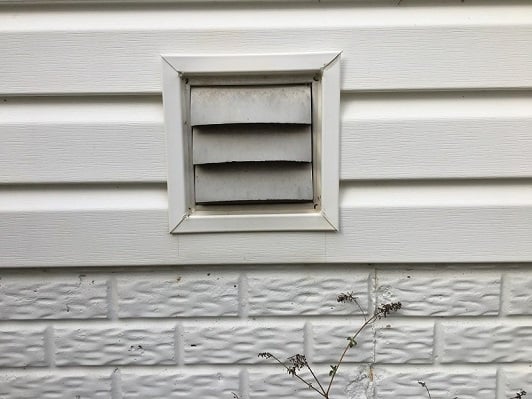
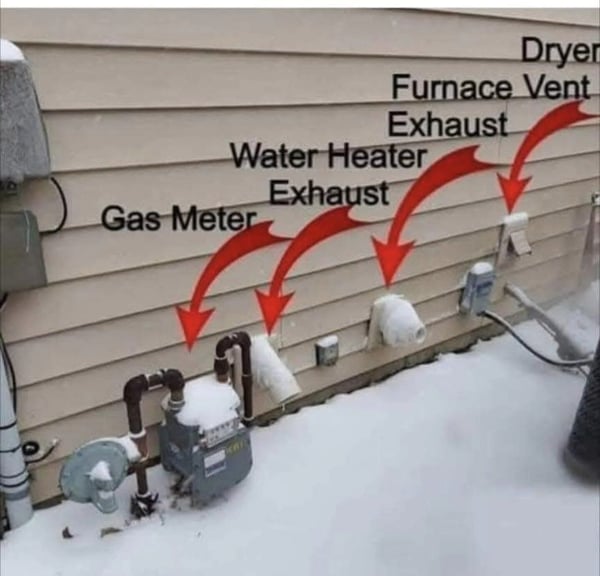
- Be sure appliances like dryers, stove hoods, wood-burning stoves, and gas fireplaces are vented correctly to the outdoors.
- Maintain your fireplace or wood stove and burn wisely (opens in a new window).
- Put off adding unneeded airborne chemicals into your home environment from remodeling, painting, and harsh project chemicals until spring.
- Clear blocked outdoor home system exhaust vents after a significant snow event.
4. Monitor your home's air
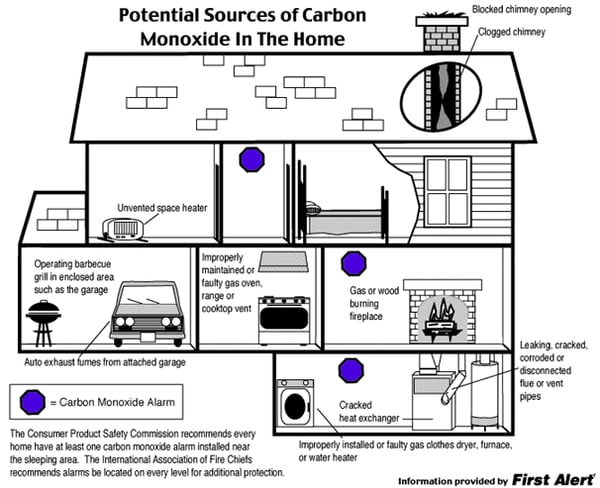
Fire prevention is not the only danger from heating systems in your home. Have a carbon monoxide detector on every level of your home and keep them up to date. Carbon monoxide is odorless and found in fumes from the burning of fuel including natural gas, propane, or oil. Just like a smoke detector, an up-to-date carbon monoxide detector is the only way to protect your family. You can prevent C02 poisoning by maintaining your fireplace or wood stove.
We want to keep you and your family warm and protected this winter. We sure hope we helped you by passing on what we’ve learned from years of home insurance experience. Keep up with us on Facebook, Twitter, and Instagram for more great home tips!

Sources:
https://www.deq.virginia.gov/news-info/the-environment-you/your-air/indoor-air-quality
THE NORTHERN NECK INSURANCE INTEGRITY PROMISE — We pledge to provide straight talk and good counsel from our NNINS Virginia insurance experts through our blog. While we hope you find this to be a helpful source of information, it does not replace the guidance of a licensed insurance professional, nor does it modify the terms of your Northern Neck Insurance policy in any way. All insurance products are governed by the terms in the applicable insurance policy.