How Common Are Deer Collisions in Virginia?
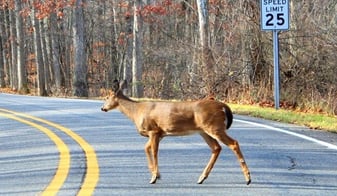
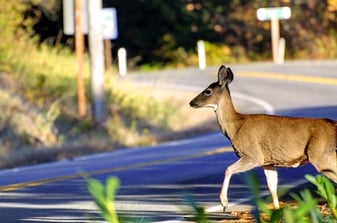
Virginia was in the top ten high-risk states in the nation for deer-vehicle collisions in 2025, ranking in ninth place, with over 60,000 animal incidents per year by car insurance claim estimates. Virginia drivers have an estimated 1 in 81 chance of colliding with a large animal, while deer-related crashes are most common from October through December, with incidents peaking in November. Be especially alert at dawn and dusk, when deer are most active.
Fall mating season, also known as the rut, means highly active bucks are busy seeking receptive females. During this time, drivers are likely to see more deer along the side of the road, running across the road, and a rise in the number of deer-related crashes. According to Virginia DMV, the state recorded 6,526 deer-related crashes last year, a 12% decrease from 2024. Nearly half of last year’s deer related crashes occurred during the peak months of October through December.
Where Are Deer Collisions Most Common in Virginia?
According to the latest available Virginia DMV data, the following counties recorded the most deer-related crashes:
1. Augusta
2. Loudoun
3. Fauquier
4. Montgomery and Rockingham (tie)
5. Rockingham
6. Rockbridge
7: Chesterfield
8. Botetourt
9. Albemarle
10. Bedford
Does Car Insurance Cover Deer Damage?
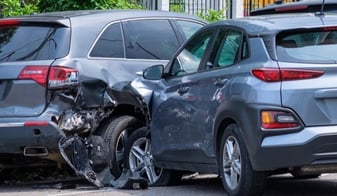
Most comprehensive car insurance policies cover deer damage, including NNIC's car insurance. As a Virginia-only mutual insurer, we realize deer collisions are a common hazard for our members. That's why our comprehensive car insurance includes no-fault deer collision claims. While insurance claim frequency can factor in rising car insurance rates, you won't have to worry about your Northern Neck Insurance car insurance rate increasing just because you need to file an insurance claim for a deer collision.
Comprehensive car insurance is not required by law in Virginia and is a separate coverage from collision car insurance and liability car insurance. It can help protect your vehicle from theft and damage from events such as deer collisions. Talk with your local independent agent to understand what your policy covers and whether comprehensive coverage is right for you.

How to Avoid Hitting a Deer
You cannot predict when a deer will cross your path, but you can be prepared. Whether you are commuting to work or taking a drive through Virginia’s countryside, knowing what to watch for and how to respond can help reduce your risk of a collision. Keep these practical tips in mind whenever you get behind the wheel.
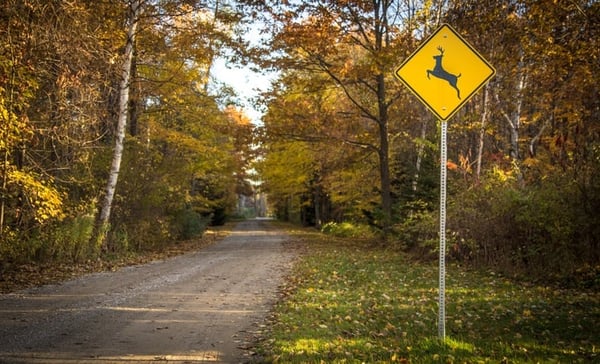
- Be aware of roadside deer warning signs. Deer warning signs are posted in that area because deer crossings are more prevalent here than in other locations.
- If you see one deer, there are bound to be more! Deer travel in herds, so if you see one, expect more to be nearby or following.
- Stay alert, especially at dawn and dusk when deer are most active. Just in time for your work commute!
- Use the center lane whenever possible. It's your safest bet for avoiding a deer collision. The middle lane gives deer more space and more time for you to react if one darts onto the road.
- Use your horn. One long honk may scare the deer into running faster out of the way.
- Brake, but don't swerve. If you encounter an animal while driving, brake and do your best not to hit it, do not swerve and risk running off the road.
Driving Tips to Stay Safe on the Road This Fall
While there are other fall-driving dangers for Virginians, deer collisions are costly and dangerous. You can protect your family by using our safety tips for fall travel and commuting to work and school.
Tips to Stay Driving in the Fall
- Buckle up. Eighty-seven percent of deer collision claims involve front-end damage to a vehicle and can cause serious injuries, especially if you or your passengers are not wearing seat belts.
- Use your headlights and high beams. Deer eyes can brightly reflect a car's headlights, making them easier to spot. Fog can be a common fall driving hazard too. In that case, slow down and rely on your low beams.
- Avoid distractions. Texting, conversations, eating, and anything else that takes your eyes momentarily off the road can make you miss an opportunity to brake for a deer or other animal.
- Slow down. It's easier to brake in time if you're following speed limits or reducing speeds in areas with deer warning signage.
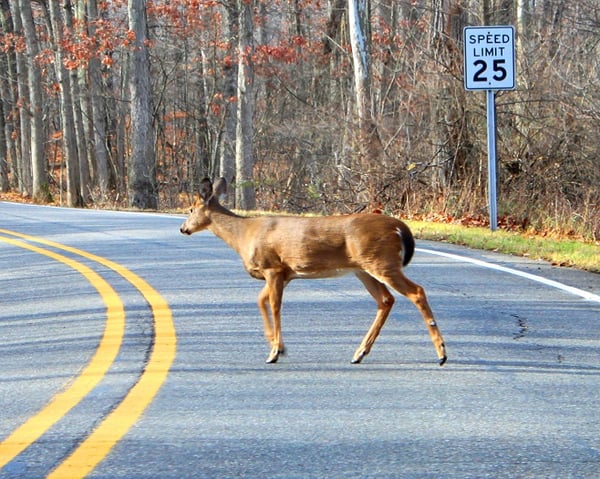
Sometimes, there's nothing you can do to stop from striking a deer while driving, unfortunately. In that case, stay calm and follow the proper steps to stay safe after a deer collision.
Do you have questions about our comprehensive car insurance coverage? Benefit by contacting your local expert! We wish you a fall season that's beautiful and safe!

THE NORTHERN NECK INSURANCE INTEGRITY PROMISE — We pledge to provide straight talk and good counsel from our NNINS Virginia insurance experts through our blog. While we hope you find this to be a helpful source of information, it does not replace the guidance of a licensed insurance professional, nor does it modify the terms of your Northern Neck Insurance policy in any way. All insurance products are governed by the terms in the applicable insurance policy.