How Can Animals Damage Cars in Virginia?
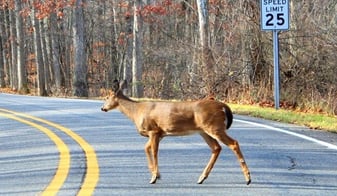
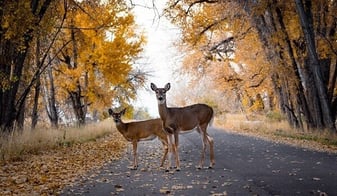
If you drive in Virginia, spotting deer and other wildlife along the road may be a familiar experience. Virginia consistently places in the top 10 states nationwide for wildlife-vehicle and deer-related conflicts. You may have even hit an animal yourself or know someone who has. But animal-related car damage isn't limited to collisions. Animals can also cause costly damage while your vehicle is parked.
Rodent Damage to Cars
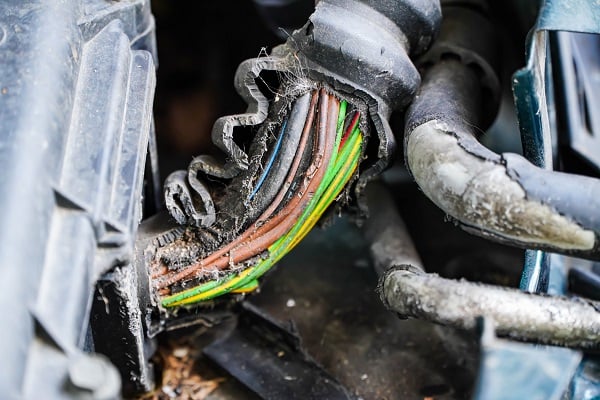
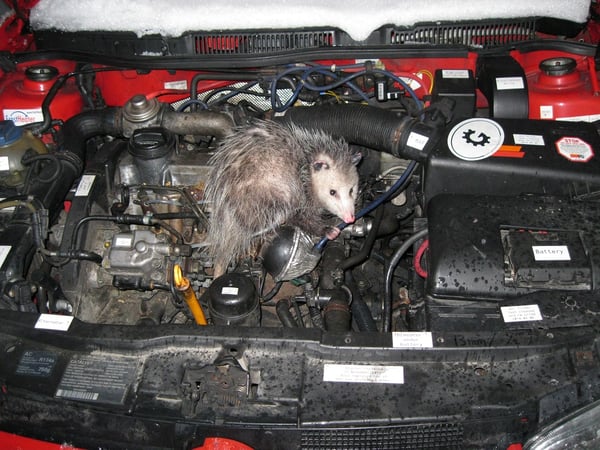
Mice and other rodents can damage wiring under the hood, particularly when a car sits unused for long periods. Mice, rats, and squirrels frequently crawl into warm engine bays during colder temperatures. They also build nests and chew through electrical wiring. The resulting electrical problems can mean costly repairs, even when the vehicle looks fine from the outside. Rodents chew on vehicle insulation, wiring harnesses, and rubber lines (including fuel or brake lines). This can trigger electrical failures, warning lights, short circuits, or dangerous mechanical breakdowns. If you drive a car infrequently, park it close to regular human activity and check the engine compartment regularly for signs of animal activity. If you notice chewed wires or suspect damage, have a mechanic inspect your car before driving it.
Animal Collision Damage to Cars
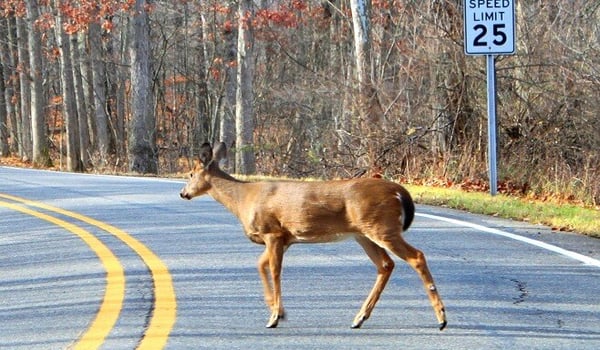
Hitting an animal can be frightening and emotionally upsetting, especially if the animal is injured. It can also leave you facing costly vehicle repairs, from damaged headlights and dented body panels to a broken windshield, especially if you hit a deer or other large animal. Even if the damage looks minor, your car may need a professional inspection to determine whether it is safe to drive. Beyond the repair bill, arranging transportation and dealing with an unexpected disruption can add to the stress.
If you accidentally hit an animal in Virginia, you are required to call the police or animal control to ensure the pet gets the care it needs. Leaving a disabled or dead animal on a road is illegal and a class 3 misdemeanor by law. If you hit an animal, pull safely off the side of the road, turn on your hazard lights, call the authorities, and stay inside your vehicle if you can. Avoid approaching the injured animal.
When is Animal Damage Covered by Car Insurance?
If you hit a deer or another animal, comprehensive car insurance can help cover damage to your vehicle, subject to your policy’s terms and deductible. Although the damage happens in a collision, direct contact with an animal generally falls under comprehensive coverage, also called “other than collision” coverage. This optional protection is not included in Virginia’s minimum required auto insurance. It is commonly part of what people call “full coverage,” but that term does not describe a standardized policy—check your coverages rather than relying on the label. A comprehensive claim may affect your premium differently than an at-fault accident, so ask your local independent agent how a claim could affect your rates.
There are plenty of other benefits to having Comprehensive Car Insurance for non-driving perils. It can also cover things like fire, theft, vandalism, falling objects, glass and windshield damage, and extreme weather, such as flooding, hail, and hurricane damage. You still have to pay your deductible and should consider if the damage will be costly enough to justify filing a claim.
When is Animal Damage Not Covered by Insurance?
Without comprehensive car insurance, you may have to pay out of pocket for animal-related damage to your vehicle. Comprehensive insurance coverage for rodent damage depends on your policy’s terms and exclusions, so check with your local insurance agent. Comprehensive coverage applies to your vehicle, not personal belongings inside it.
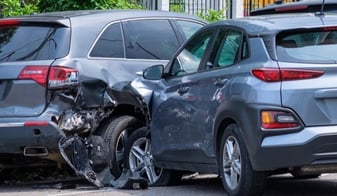
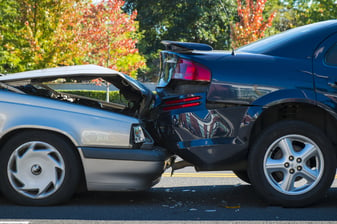
There are also scenarios where what may seem like a crash is caused by animal activity, but car insurance does not cover the damage. For example, let's say you swerve to avoid hitting an animal and crash into a telephone pole or another car. In that case, the Collision portion of your car insurance would cover any damage.
How to Prevent Animal Collisions and Other Damage
While you aren't always able to prevent an animal damage to your car, there are many things you can do to limit potential animal-related crashes and damage claims on your auto policy. If you do have the unfortunate experience, your local agent can help you navigate filing a claim and getting your car repaired.
Preventing Animal Collisions
An animal can enter the road with little warning, leaving you only moments to react. Staying alert and adjusting your speed to the conditions can give you more time to respond. Keep these tips in mind to help protect yourself, your passengers, and others on the road:
- Avoid swerving, even if it means hitting an animal. Swerving can cause greater damage to yourself or other drivers.
- Drive slower and more cautiously at dawn and dusk. Animals tend to be more active at these times, especially from October through December, when deer enter the mating season.
- Slow down and turn on your hazard lights if an animal is blocking the road.
Preventing Rodent and Other Animal Damage
Protecting your car from animals doesn’t stop when you park. Keeping your vehicle clean and checking for signs of unwanted visitors can help you spot problems before they become costly repairs. Use these tips to make your car less inviting to rodents and other animals:
-
Remove food, wrappers, and crumbs from your car to avoid attracting rodents and other animals.
-
If you don’t drive regularly, check your vehicle frequently for signs of nesting or chewed wiring, especially before starting it. Have suspected damage inspected before driving.
-
Stay alert if you’ve noticed animal activity nearby or had rodent damage before. Addressing the damage alone may not keep animals from returning.
-
If the problem continues, ask a pest-control professional about humane deterrents suitable for your parking area. Before applying any repellent to your vehicle, check with your mechanic and follow the product’s instructions.
Take Time to Understand Your Car Insurance Coverage for Animal Damage
You can’t predict every encounter with an animal, but you can take time now to understand your car insurance coverage. Talk with your local independent agent about how your policy addresses animal collisions and rodent damage, including any deductibles or exclusions that may apply. Whether you’re reviewing your protection or dealing with damage that has already happened, your agent can explain your options and help you understand the next steps.
THE NORTHERN NECK INSURANCE INTEGRITY PROMISE — We pledge to provide straight talk and good counsel from our NNIC Virginia insurance experts through our blog. While we hope you find this to be a helpful source of information, it does not replace the guidance of a licensed insurance professional, nor does it modify the terms of your Northern Neck Insurance policy in any way. All insurance products are governed by the terms in the applicable insurance policy.