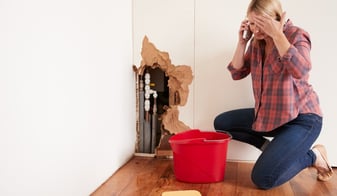
Do you remember Virginia's extended arctic freeze in 2019? Those frigid January temperatures resulted in over two hundred Northern Neck Insurance home water damage claims from frozen and burst pipes. Having a pipe burst in the middle of winter could cause major damage. Water damage puts your home and family at risk for moldy walls, warped floorboards, and damaged personal belongings. We'll explain why home pipes can freeze in the commonwealth and what you can do to prevent this costly and messy damage. Being prepared before freezing temperatures settle in can save you time, money, and a big mess.
Why do home pipes freeze?
Many Virginia homes weren't built for the threat of long-lasting freezing temperatures due to the region's milder climate. That means you may have unprotected pipes running through uninsulated areas of your home like an attic, crawl space, garage, and basement. These spaces become vulnerable in colder than average weather. A winter storm may result in prolonged power outages with no heat and even pipes located inside the insulated walls of your home may be in danger of freezing.
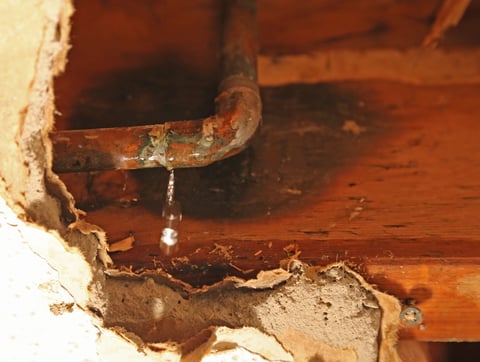
Researchers at the Institute for Business and Home Safety (IBHS) have found that an outdoor temperature of 20 degrees F is the critical threshold for vulnerable home water pipes. Fortunately, there are signs you have a frozen pipe and a few simple things you can do to prevent costly damage this winter, especially if you're going on a trip, have a rental property, or simply have concerns about the pipes in your Virginia home. Start by knowing where your home's main water shutoff is located in case of an emergency and then protect your plumbing.
5 Ways to protect pipes from freezing
If these measures don't prevent a pipe from freezing, consult a licensed plumber. The plumbing may need to be relocated or insulated differently.
- Keep your garage closed.
- Use foam pipe insulators for vulnerable pipes in or close to uninsulated areas.
- Open your cabinet doors- kitchen cabinets and bathroom vanity doors can be left open to let your home's heated airflow in and around those pipes.
- Let your faucets drip slowly during extreme deep freezes and the coldest temperatures overnight.
- Winterize your outdoor hose bibs.
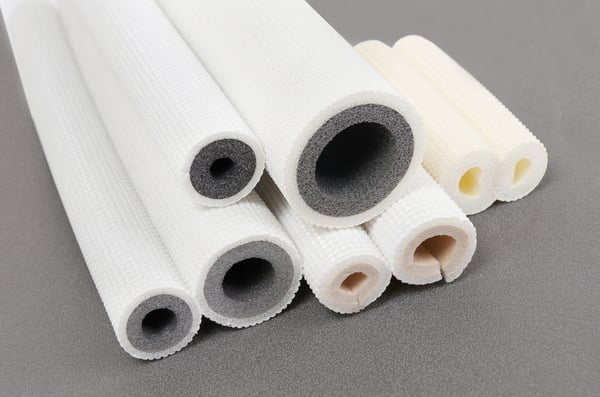
Plumbing pipe Insulators
Does home insurance cover damage from burst water pipes?
If you do experience a burst pipe, we've got you covered. Homeowners insurance protects you from water damage from frozen pipes. It's important to know that an insurance claim is often not covered if you vacate a property for long periods and do not properly prepare your home for cold weather. If you are leaving a home for an extended period of time, maintain a temperature of 55 degrees F or above and consult a plumber who can recommend extra measures to protect plumbing. You should also contact your home insurance carrier and let them know — you may a different type of home insurance policy.
Resources:
https://ibhs.org/winter-ready/
Learn more about homeowners insurance in Virginia >

THE NORTHERN NECK INSURANCE INTEGRITY PROMISE — We pledge to provide straight talk and good counsel from our NNINS Virginia insurance experts through our blog. While we hope you find this to be a helpful source of information, it does not replace the guidance of a licensed insurance professional, nor does it modify the terms of your Northern Neck Insurance policy in any way. All insurance products are governed by the terms in the applicable insurance policy.